

Explore Proven Mobile Website Design Strategies to Elevate Small Businesses in the UK
Key Strategies for Crafting Impactful Responsive Designs
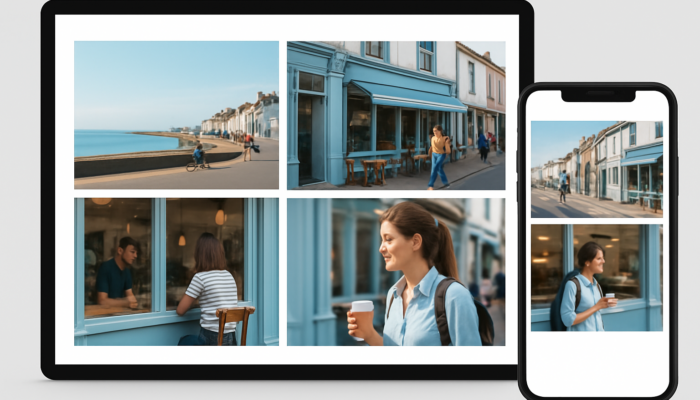
Integrating responsive design techniques is essential for enhancing user experiences, especially for small businesses located in Portishead. A successful responsive design hinges on several key elements, such as fluid grids, flexible images, and media queries. These components allow websites to adjust fluidly to various screen sizes, which is becoming increasingly crucial due to the surge in mobile browsing throughout the UK. Local businesses, including cafés and retail outlets, can significantly benefit from this adaptability, enabling them to engage effectively with customers who are on the go, thereby capturing their attention and boosting sales.
Maximising the Advantages of Mobile Design for Small Enterprises
The importance of mobile website design is paramount for enhancing visibility for small enterprises across the UK. By significantly improving accessibility, potential customers can easily locate and connect with local businesses. The main benefits of embracing mobile design encompass:
- Increased traffic from mobile users
- Enhanced customer engagement through interactive features
- Improved conversion rates due to streamlined user experiences
- Cost-effective marketing strategies supported by superior SEO
- Heightened customer loyalty stemming from better accessibility
- Competitive advantages in the local marketplace
- Flexibility in presenting products and services
Enterprises in Portishead, including local boutiques and service providers, have effectively harnessed these advantages, leading to notable enhancements in their online presence and substantial sales growth.
What Challenges Do Small Businesses Encounter When Embracing Mobile Design?
Despite the numerous advantages associated with mobile website design, many small businesses in the UK face various challenges during implementation. Common obstacles include tight budgets, a lack of technical skills, and the difficulty of keeping up with rapid technological changes. For instance, a local restaurant in Portishead might find it challenging to optimise their menu for mobile devices. To tackle these challenges, businesses should consider practical strategies, such as:
- Investing in user-friendly website builders that simplify the design process
- Partnering with local design professionals or agencies that possess relevant expertise
- Focusing on essential features rather than overly complex designs
- Utilising free resources for ongoing learning and support
By adopting these strategies, small businesses can effectively ease the transition to a mobile-friendly platform, ensuring they stay competitive in today’s ever-evolving digital environment.
Which Emerging Trends Should Small Businesses Watch in Mobile Design?
The field of mobile website design is continually advancing, and staying updated on emerging trends is vital for small businesses in Portishead. Innovations like 5G integration are transforming how users interact with mobile content, resulting in quicker load times and richer media experiences. Additionally, AI-driven personalisation is becoming increasingly important, enabling businesses to customise experiences based on user behaviour and preferences.
For example, a local shop might implement chatbots to assist customers directly on their mobile site, significantly boosting user engagement. To maintain a competitive edge, small businesses should adopt strategies that embrace these trends, like optimising for voice search and utilising data analytics to gain deeper insights into customer preferences and behaviours.
How Does Mobile Website Design Work for Small Businesses?
Grasping the Fundamental Technical Processes
The basics of mobile website design involve several key processes specifically tailored for small businesses across the UK. Initially, the focus is on developing a flexible layout that adapts to different screen sizes. This often requires the use of CSS frameworks like Bootstrap, which significantly ease the creation of responsive designs, allowing businesses to ensure a consistent online experience across multiple devices.
Next, optimising performance is crucial. This can include compressing images, minimising code, and using browser caching to improve loading speeds. For instance, a local Portishead bakery could greatly enhance customer satisfaction by ensuring their website loads quickly, ultimately fostering a more enjoyable user experience that encourages repeat visits from patrons.
Lastly, thorough testing across a range of devices is essential to guarantee compatibility and usability, enabling businesses to identify and rectify any issues before launching their sites to the public.
How to Successfully Integrate Mobile Design with Existing Business Systems?

Integrating mobile design with existing business systems is vital for achieving e-commerce success. For businesses in Portishead, seamless integration with tools like payment gateways, inventory management systems, and CRM software can simplify operations while improving customer experiences, making transactions smoother and more efficient.
For instance, a local florist may utilise an e-commerce platform that allows customers to order flowers directly from their mobile site, integrating with their existing inventory system to provide real-time stock updates. Practical steps for businesses include selecting platforms that ensure compatibility with mobile design while focusing on user-friendly interfaces to facilitate smoother transactions, ultimately enhancing overall customer satisfaction and loyalty.
What Testing and Maintenance Strategies Should Businesses Implement?
Regular testing and maintenance are imperative for ensuring the reliability of mobile sites for small businesses in the UK. This process should include routine checks to identify any broken links, slow load times, or compatibility problems. For example, a Portishead retailer might schedule monthly audits to evaluate their site performance, ensuring ongoing user satisfaction and engagement.
Moreover, leveraging analytical tools to monitor user behaviour can yield valuable insights into areas needing improvement. A data-driven approach allows businesses to continually refine their mobile sites, enhancing the overall user experience and encouraging repeat visits from customers, ultimately contributing to long-term business growth.
Expert Insights on Mobile Website Design Strategies for Small Businesses in Portishead
Implementing Proven Industry Best Practices for Mobile Design
Adhering to industry best practices in mobile website design is crucial for small businesses in the UK. Key guidelines include prioritising a mobile-first design, ensuring rapid load times, and developing intuitive navigation systems. Businesses in Portishead, such as a local gym, can greatly benefit from implementing straightforward contact forms and online booking systems that significantly enhance user experience and convenience.
Furthermore, ensuring accessibility for all users, including those with disabilities, is not only a legal requirement but also positively affects brand reputation. By focusing on these best practices, small businesses can create efficient mobile sites that resonate with users, driving conversions and cultivating lasting customer loyalty.
What Common Pitfalls Should Be Avoided in Mobile Design?
Small businesses must remain vigilant to sidestep common mistakes related to mobile website design. A significant error is neglecting mobile optimisation, which can result in poor user experiences on smaller screens. Other pitfalls include using heavy graphics that slow down loading times and failing to update content regularly to keep it relevant.
To avoid these issues, businesses should follow these expert recommendations:
- Conduct thorough user testing prior to the official launch
- Regularly refresh content to maintain its relevance and freshness
- Utilise clear calls-to-action throughout the site to guide user interaction
- Optimise images and media specifically for mobile use to boost loading speeds
By implementing these strategies, firms in Portishead can establish a successful mobile presence that effectively attracts and retains customers, leading to sustainable long-term growth and success.
What Future Trends Should Small Businesses Monitor in Mobile Design?
As the field of mobile website design continues to evolve, it is essential for small businesses in Portishead to keep abreast of emerging trends. Innovations such as augmented reality (AR) and virtual reality (VR) are gaining momentum, providing businesses with exciting new ways to showcase their products and services in engaging and interactive manners.
Moreover, the rise of progressive web apps (PWAs) offers the chance to deliver native app-like experiences directly through mobile browsers, thereby boosting user engagement without the need for app downloads. Small businesses should actively seek to adopt these innovations to maintain competitiveness and offer unique customer experiences that set them apart in the market.
What Are the Essential Benefits of Mobile Website Design for Small Businesses?
Enhancing User Engagement Through Effective Mobile Website Design
Mobile website design plays a pivotal role in significantly elevating user engagement for small businesses throughout the UK. A well-optimised mobile site facilitates smoother navigation and quicker access to essential information, which directly enhances customer retention. For instance, a café in Portishead can leverage captivating visuals and an organised menu layout to engage visitors and encourage repeat patronage, creating a welcoming environment for customers.
Additionally, interactive elements such as chat support or customer feedback forms can foster two-way communication, nurturing a sense of community and belonging among customers. By improving engagement, businesses not only enhance customer satisfaction but also see increased sales and build brand loyalty, establishing a mutually beneficial relationship with their clientele that supports long-term success.
How Can Mobile Website Design Improve Search Rankings?
The optimisation of mobile websites can profoundly influence search rankings for companies operating in the UK. Search engines like Google favour mobile-friendly sites, meaning that businesses with well-designed mobile versions are more likely to achieve higher rankings in search results. For example, a local retailer in Portishead that invests in enhancing their mobile optimisation can expect a substantial increase in organic traffic due to improved visibility.
Furthermore, employing local SEO strategies, such as using location-specific keywords, can further boost search rankings, simplifying the discovery process for potential customers searching for local businesses, ultimately leading to increased foot traffic and sales.
What Cost Savings Can Be Achieved Through Mobile Website Design?
Mobile website design can result in considerable cost savings for small businesses operating in the UK. By streamlining processes through mobile optimisation, businesses can eliminate the necessity for separate desktop and mobile sites, thereby reducing maintenance costs and administrative burdens associated with managing multiple platforms.
For instance, a service provider in Portishead can efficiently handle scheduling and bookings through a unified mobile platform, ultimately saving both time and money. Additionally, enhancing online visibility may lessen reliance on traditional advertising channels, leading to further financial efficiencies that strengthen the overall profitability of the business.
Evidence-Based Benefits of Mobile Website Design for Small Businesses in Portishead
What Insights Do UK Studies Offer Regarding the Advantages of Mobile Website Design?
Research consistently demonstrates that mobile website design provides significant benefits for small businesses throughout the UK. Data indicates that mobile-optimised sites can lead to higher conversion rates and improved user satisfaction. For businesses in Portishead, this could translate into increased foot traffic and greater sales figures, positively influencing the overall success of the enterprise.
Key research findings include:
- Mobile users are more likely to make purchases on optimised sites
- Enhanced mobile user experiences correlate with increased customer loyalty
- Businesses with mobile-friendly sites experience higher engagement rates
- Mobile optimisation significantly improves overall brand perception
These findings underscore the critical importance of investing in mobile design as a strategic approach to driving growth and success in a competitive marketplace.
How Does Mobile Design Affect Customer Conversion Rates?
Mobile design significantly influences customer conversion, as evidenced by various studies conducted across the UK. The convenience of browsing and purchasing via mobile devices enables customers to shop on the go, thereby increasing the likelihood of impulsive purchases.
For example, a fashion boutique in Portishead that incorporates mobile-optimised shopping features can anticipate a rise in sales, as customers can easily browse and select items from their smartphones. Actionable steps to improve conversions include simplifying the checkout process and offering mobile-exclusive promotions that further entice customers to make purchases, ultimately driving revenue growth.
What Long-Term Growth Opportunities Are Associated with Mobile Website Design?
Implementing effective mobile website design strategies can yield enduring results, fostering long-term growth for small businesses in the UK. A well-structured mobile presence not only attracts new customers but also retains existing ones, contributing to the establishment of a loyal customer base that will support the business over time.
For instance, a local gym in Portishead can leverage their mobile site to facilitate membership renewals and class bookings directly through the platform, creating a seamless user experience that encourages ongoing engagement. Research-backed approaches, such as regular updates and continued optimisation, further enhance the scalability of mobile designs, ensuring businesses can adapt as their needs evolve and expand.
Why Is Mobile Website Design Crucial for UK Small Businesses?
How to Adapt to Shifting Consumer Behaviour?
As consumer behaviour increasingly shifts towards mobile usage, adapting to these trends is essential for the survival of small businesses. In the UK, a significant portion of online shopping is conducted via mobile devices, making it crucial for businesses to meet this growing demand.
For example, restaurants in Portishead that offer seamless online reservations through their mobile sites can effectively leverage this consumer trend, ensuring they remain competitive and accessible to potential diners seeking convenience and ease of access.
What Competitive Advantages Can Mobile Website Design Provide?
Mobile website design can offer a considerable competitive advantage for small businesses in the UK. A well-optimised site enables brands to distinguish themselves in a crowded market, attracting customers who appreciate convenience and an exceptional user experience.
Local companies in Portishead can set themselves apart by providing unique mobile experiences, such as loyalty rewards or personalised content, which can nurture customer loyalty and stimulate increased sales, ultimately contributing to long-term success and sustainability in the marketplace.
What Regulatory Compliance Factors Must Be Considered for Mobile Sites?
Ensuring regulatory compliance is a fundamental requirement for small businesses operating mobile websites in the UK. Adhering to accessibility standards, such as those outlined in the Equality Act 2010, is not only a legal obligation but also enhances customer satisfaction and trust in the brand.
For instance, a retail store in Portishead must ensure that their mobile site is easily navigable for users with disabilities. By complying with these legal standards, businesses can avoid potential penalties while fostering a more inclusive brand image that appeals to a broader audience and strengthens customer relationships.
How Can Customer Engagement Be Enhanced Through Mobile Website Design?
Mobile-optimised designs encourage improved interaction and personalised experiences, which are vital for increasing customer retention and driving sales conversions for small businesses in the UK. For example, a local café could utilise their mobile site to gather customer preferences, allowing them to tailor promotions based on individual tastes.
This strategy not only boosts engagement but also cultivates a stronger connection with customers, leading to repeat visits and positive word-of-mouth referrals that can significantly enhance the brand’s reputation and attract new clients.
How Does Mobile Website Design Improve SEO and Online Visibility?
Mobile-friendly websites directly impact search engine rankings, consequently attracting more traffic and potential customers. For small businesses in Portishead, this means that investing in mobile optimisation can yield substantial returns in terms of improved visibility and customer acquisition opportunities.
For instance, regularly updating content and creating material specifically for mobile users can significantly enhance search performance, making it easier for local customers to discover businesses through online searches and thus driving traffic to their sites, ultimately resulting in higher sales figures.
Implementing Effective Mobile Website Design Strategies for Your Business
What Are the Key Initial Steps for Mobile Website Design Planning?
The initial planning stages of implementing mobile website design are crucial for small businesses in the UK. Companies must first assess their current online presence and identify areas needing improvement. Conducting a competitive analysis can provide valuable insights into effective practices within the local market that can be adopted or adapted.
For businesses in Portishead, collaborating with local web designers can ensure that the mobile design aligns with brand identity and effectively meets customer needs. A comprehensive project plan, including timelines and budget allocations, will facilitate a smoother transition to a mobile-friendly platform, paving the way for future success and growth.
How to Select the Right Tools for Mobile Website Design?
Choosing the right tools for mobile website design is critical for UK businesses. Numerous platforms offer mobile optimisation features, including WordPress, Wix, and Shopify, each catering to different business needs and objectives.
For businesses in Portishead, it is advisable to consider platforms that provide localised support and community resources, which can simplify troubleshooting and customisation processes. The selection of tools can significantly impact the success of the mobile site, making it essential to choose those that align with specific business goals and customer expectations.
What Metrics Should Be Used to Evaluate Success?
Monitoring performance is essential for assessing and refining mobile website designs for small businesses in the UK. Key performance indicators (KPIs) like bounce rates, conversion rates, and average session duration can provide invaluable insights into user behaviour and preferences, allowing businesses to make data-driven decisions.
For instance, a bakery in Portishead can track these metrics to identify areas needing enhancement, such as improving site speed or simplifying navigation. Regularly reviewing these metrics ensures businesses can continuously optimise their mobile presence, fostering a more engaging user experience and promoting customer satisfaction.
How to Ensure Mobile Site Accessibility?
Ensuring mobile site accessibility is a crucial aspect of mobile website design. Small businesses in the UK must adhere to essential accessibility guidelines to provide an inclusive experience for all users, including those with disabilities.
For businesses in Portishead, implementing features such as alt text for images, keyboard navigation options, and clear, consistent layouts can greatly enhance accessibility. By prioritising these guidelines, firms not only comply with legal standards but also create a more inviting online environment for all visitors, broadening their customer base and improving overall satisfaction.
Frequently Asked Questions
What constitutes mobile website design?
Mobile website design refers to the process of creating websites that are specifically optimised for mobile devices, ensuring they are user-friendly and visually appealing on smaller screens while providing a seamless user experience that meets modern consumer expectations.
Why is mobile website design vital for small businesses?
Mobile website design is crucial for small businesses as it enhances user experience, boosts visibility, and drives customer engagement, resulting in higher conversion rates and improved sales performance that contribute to overall business growth.
What key features define a mobile-friendly website?
Key features of a mobile-friendly website include responsive design, swift loading times, easy navigation, accessible content, and integrated call-to-action elements that encourage user interaction and engagement, ensuring visitors can effortlessly find what they need.
How can small businesses implement mobile website design?
Small businesses can implement mobile website design by evaluating their current sites, selecting appropriate design tools, and prioritising user experience through effective mobile optimisation practices that cater to their target audience’s needs and preferences.
What common mistakes occur in mobile website design?
Common mistakes in mobile website design include overlooking mobile optimisation, using heavy graphics that slow loading times, creating complex navigation systems, and failing to regularly update content, which can lead to poor user experiences and reduced customer satisfaction.
How does mobile website design affect SEO?
Mobile website design positively influences SEO by enhancing site rankings in search engines, as search algorithms favour mobile-friendly sites, leading to increased visibility, traffic, and potential customer acquisition opportunities for small businesses.
What tools are recommended for mobile website design?
Recommended tools for mobile website design include platforms like WordPress, Wix, and Shopify, which offer mobile-friendly templates and features specifically designed for small businesses aiming to enhance their online presence and user engagement.
How can businesses assess the success of their mobile site?
Businesses can evaluate the success of their mobile site by tracking key performance indicators such as conversion rates, user engagement levels, bounce rates, and average session duration to identify areas for improvement and refine their mobile strategies effectively.
What advantages does responsive design offer?
The benefits of responsive design include delivering a cohesive user experience across various devices, improving SEO performance, and achieving cost efficiency by maintaining a single site that caters to both desktop and mobile users without needing separate versions.
How can local businesses boost customer engagement through mobile design?
Local businesses can enhance customer engagement through mobile design by incorporating interactive features such as chat support, personalised promotions, and user-friendly navigation systems that provide immediate access to products and services, fostering a stronger connection with their audience and encouraging repeat visits.
Join us on Facebook today!
The post Mobile Website Design in Portishead for Small Business appeared first on SEO Pitstop.
The Article Mobile Website Design for Small Businesses in Portishead Was Found On https://limitsofstrategy.com