

Underneath nearly every sink in your home lies a concealed risk that could lead to catastrophic water damage, and many homeowners remain blissfully unaware of this fact. Braided flexi hoses — those sleek metal tubes that connect your taps, toilets, dishwasher, and washing machine to the main water supply — rank as the primary cause of internal flooding in Australian homes. These seemingly innocuous hoses can become ticking time bombs, resulting in significant and often costly damage if not properly maintained.
When one of these hoses bursts, it unleashes water at mains pressure into your home, potentially flooding the area with thousands of litres of water every single hour. This catastrophic event can occur while you are at work, on holiday, or even sound asleep. By the time the issue is detected, the damage may already be extensive — flooring could be irreparably damaged, walls soaked through, cabinetry destroyed, and you might face an insurance claim that may not fully cover the losses incurred due to the flooding.
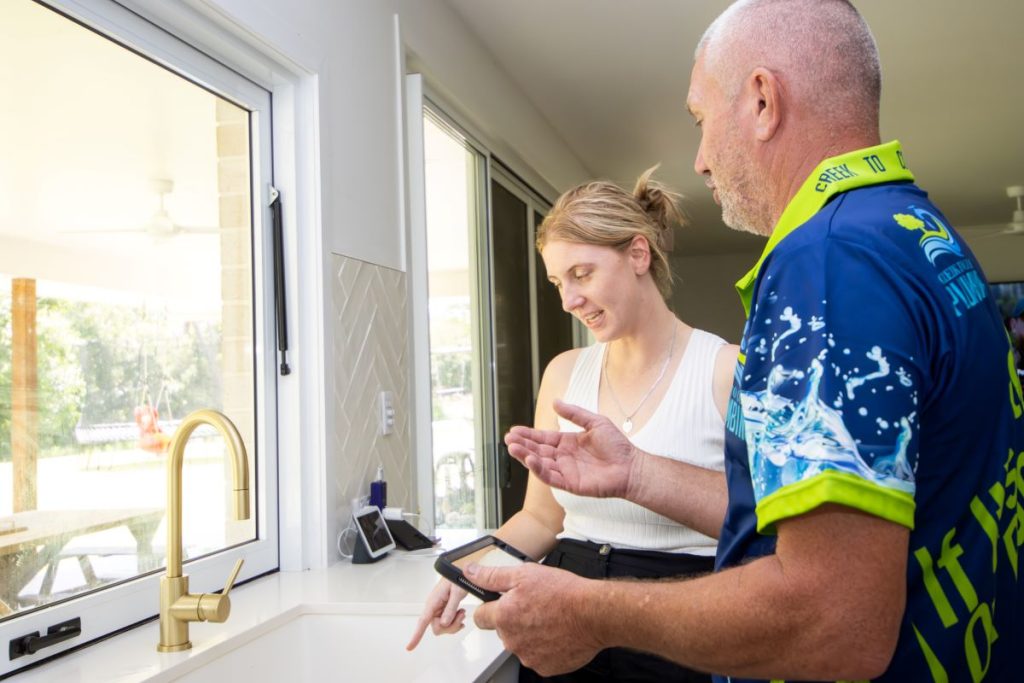
Identify Critical Areas in Your Home Where Flexi Hoses Are Installed for Enhanced Safety
Most residences in Caboolture feature flexi hoses in several critical locations throughout the house, which are essential for everyday functionality. Recognising these locations is vital to ensuring your home’s safety:
- Kitchen sink — Typically, two hoses (for hot and cold water) are situated under the sink, connecting the tap to the wall outlets.
- Bathroom vanity — Each basin usually has two hoses connected to it for optimal water supply.
- Toilet cistern — Generally, a single hose links the cistern to the wall outlet, enabling proper flushing.
- Laundry area — Hoses connect the washing machine to the laundry taps, facilitating efficient cleaning.
- Dishwasher — This appliance may have one or two hoses connecting to the water supply located under the kitchen sink.
An average three-bedroom home in Caboolture typically contains between 10 to 15 flexi hoses. Each hose carries the inherent risk of failure, which can lead to major disruptions and unexpected expenses, making regular maintenance essential for every homeowner.
Explore the Common Causes of Flexi Hose Failures to Protect Your Home from Water Damage
Flexi hoses are constructed with a rubber inner tube encased in a braided stainless steel outer layer, providing strength and durability. However, when the braid begins to corrode or weaken, the rubber tube lacks the necessary support and can easily rupture under mains pressure. Such failures can lead to extensive and costly water damage in your home, making awareness of these causes crucial.
- Age — This is the primary factor affecting hose integrity. Flexi hoses have a recommended lifespan of 5 years, after which the likelihood of failure increases significantly. Many homeowners install them and then forget about their existence, leading to potential disasters.
- Chemicals and chlorine — Household cleaning products, bleach, and even chlorine found in tap water can gradually erode both the rubber and the braiding from the inside out. Underneath a kitchen sink, where cleaning supplies are often stored, the fumes can accelerate this corrosion.
- Heat exposure — Hoses designed for hot water tend to deteriorate more quickly than those for cold water. The heat can soften the rubber and add stress to the braid at connection points, leading to potential rupture.
- Improper installation — Hoses that are kinked, overly stretched, or cross-threaded at the connection points tend to fail prematurely. Over-tightening can crush fittings and jeopardise the seal, leading to leaks and flooding.
- Excess water pressure — High water pressure can put additional strain on both the hoses and their fittings. If your water pressure exceeds 500kPa, it’s advisable to install a pressure limiting valve to avoid potential disasters.
Learn How to Effectively Inspect Your Flexi Hoses for Early Detection of Failures
You can perform a basic inspection of your flexi hoses yourself. Look under every sink, behind each toilet, and carefully inspect the connections in the laundry area for any signs of wear or damage. This proactive approach can save you from severe flooding.
Indicators of potential issues:
- Bulging or swelling in the hose — This occurs when the rubber starts pushing through gaps in a corroded braid, signalling an imminent failure that requires immediate attention.
- Rust stains or discolouration on the braid — If you observe corrosion on the stainless steel braid, it is critical to replace the hose immediately to prevent future leaks.
- Moisture or dripping at the connections — This indicates a failing seal at the fitting. It is advisable to tighten or replace the connection to prevent further issues.
- Kinks or tight bends — These create weak points in the hose, making it more likely to split over time, resulting in potential flooding.
- No visible date stamp — If you cannot determine when the hoses were installed, it is safest to assume they require replacement to avoid risks.
Checking each hose takes only five minutes, yet it could potentially save you from a disastrous $50,000 insurance claim, making it a worthwhile investment of your time and ensuring the safety of your home.
Commit to Mandatory Replacement Every 5 Years — A Critical Safety Measure
Replacing flexi hoses every five years is not merely a suggestion; it is a crucial maintenance task that should not be overlooked. Insurance companies, manufacturers, and all licensed plumbers across Australia strongly recommend adhering to this timeline. Some insurance policies explicitly exclude coverage for damage caused by flexi hoses that are beyond their recommended lifespan, leaving homeowners vulnerable to significant financial loss.
Our team provides comprehensive plumbing maintenance services that include replacing flexi hoses. We meticulously check every connection, replace aged hoses with high-quality fittings, and ensure that nothing is kinked, overtightened, or under undue stress, thereby safeguarding your home from potential flooding.
The cost of replacing all flexi hoses in a typical home is minuscule compared to the expenses incurred from flood damage repairs. Think of it as an affordable form of insurance that can prevent disaster down the line, ensuring peace of mind for every homeowner.
Understand the Insurance Implications Regarding Flexi Hoses to Protect Your Investment
This aspect of homeownership is crucial and often overlooked. Many home insurance policies now contain clauses that address the maintenance of flexi hoses. If your insurance provider determines that a hose was either beyond its recommended lifespan or exhibited visible signs of wear, they may reduce or deny your claim entirely, leaving you with significant out-of-pocket expenses.
Some insurance policies even require proof of regular plumbing maintenance. By having a licensed plumber inspect and replace your flexi hoses on a consistent five-year cycle, you can maintain documentation that demonstrates proper maintenance of your property, which will be beneficial when filing a claim.
Our services include providing a written record for every flexi hose replacement, noting the date, location, and specifications of the hoses installed. Be sure to keep this documentation alongside your insurance papers to ensure your coverage remains intact and your investment is protected.
What Should You Do If a Flexi Hose Bursts? Immediate Actions to Take for Safety
- Immediately turn off the water at the mains — The main shutoff valve is typically located at your water meter near the front property boundary. Turn it clockwise to close. Everyone in your household should be familiar with its location in case of emergencies, ensuring swift action can be taken.
- Mop up any standing water — The quicker you remove the water, the lesser the extent of damage that can seep into surfaces, helping mitigate further issues and protecting your property from long-term damage.
- Open doors and windows — This will help initiate the drying process and reduce humidity levels in your home, preventing mould and mildew growth.
- Avoid touching electrical outlets or appliances that are wet — Water and electricity create a dangerous situation, so it’s best to stay clear of these areas to ensure personal safety.
- Contact your insurer — Take photographs to document everything before you begin the cleanup, as this will be essential for your insurance claim and provide evidence of the damage.
- Reach out to us — We will isolate the burst hose, replace it, and thoroughly examine the rest of your home for any other hoses that may be nearing failure, ensuring your home is safe.
Common Inquiries About Flexi Hoses: Your Questions Answered for Clarity
What Is the Lifespan of Flexi Hoses?
The recommended lifespan of flexi hoses is five years from the date of manufacture, not from the time of installation. Most hoses feature a date stamp on the fitting, which can help you determine their age. If there is no visible date or if the hose has surpassed five years, it is time to replace it. In Caboolture homes with elevated water pressure or hard water, deterioration may occur at a faster rate, so regular checks are essential to ensure your home remains safe.
How Much Water Can a Burst Flexi Hose Discharge in an Hour?
A burst flexi hose operating at mains pressure can potentially release around 1,500 litres of water per hour. If it bursts while you are away at work for eight hours, that translates to a staggering 12,000 litres of water flooding your home. The resulting damage can be devastating — we have witnessed homes where every room was impacted due to a single hose failure located under a bathroom vanity, leading to substantial repair costs and significant disruption.
Will My Insurance Cover Damage from a Burst Flexi Hose?
This largely depends on the specifics of your insurance policy and the age of the hose. Many insurers now impose specific conditions related to the maintenance of flexi hoses. If the hose is within its recommended lifespan and has been properly maintained, most policies will cover the resultant water damage. However, if the hose is old or displays signs of wear, your insurer may reduce or deny your claim. Always review your policy’s fine print to understand your coverage and ensure you are protected.
Can I Personally Replace Flexi Hoses or Should I Hire a Professional?
While a handy homeowner might technically manage the replacement of flexi hoses, we strongly advise employing a licensed plumber. Incorrect installation — whether through overtightening, cross-threading, or kinking — is a leading cause of premature failures. A qualified plumber will also check water pressure, isolation valves, and all other connection points during the replacement process to ensure safety and reliability of your plumbing system.
Are There Alternatives Available to Braided Flexi Hoses for Better Safety?
Indeed, there are alternatives available. Copper or chrome-plated brass connectors offer more durability, albeit with less flexibility compared to braided hoses. Additionally, there are watermarked polymer hoses available that boast longer lifespans. We can provide guidance on the most suitable option for each connection point in your home, taking into consideration factors like access, water pressure, and exposure to heat or chemicals to ensure optimal performance and longevity.
Take Action Now to Prevent Future Flooding and Damage from Flexi Hoses
If your flexi hoses are older than five years — or if you are uncertain about their age — it’s time to schedule an inspection. We will thoroughly assess every hose in your home, replace any that are ageing or exhibiting wear, and provide you with the peace of mind you deserve knowing your home is protected from potential flooding and costly repairs.
Call 1300 793 962 or reach out to us to schedule your flexi hose inspection and ensure your home remains safe from water damage.
Original Article First Published At: Flexi Hoses: The Hidden Flood Risk In Your Caboolture Home
The Article: Flexi Hoses and the Hidden Flood Risk in Caboolture Homes first appeared on https://writebuff.com
The Article Hidden Flood Risk in Caboolture Homes from Flexi Hoses Was Found On https://limitsofstrategy.com
References:
https://limitsofstrategy.com/hidden-flood-risk-in-caboolture-homes-from-flexi-hoses/
https://homerenonews.com.au/flood-risk-from-flexi-hoses-in-caboolture-homes-revealed/