

Essential Ingredients for a Savoury Split Pea Soup with Smoked Ham
What key elements are necessary for an exceptional soup experience?
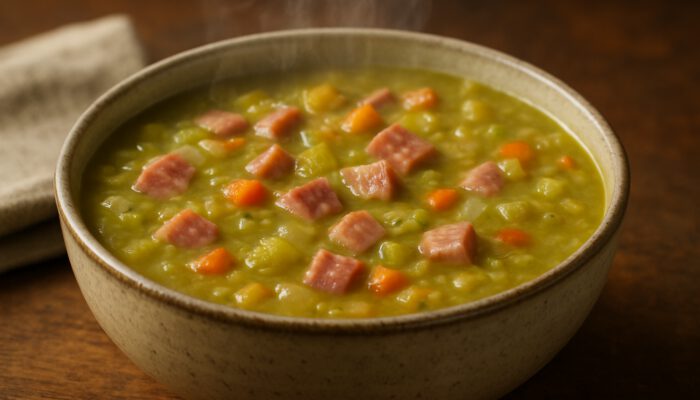
Crafting a delicious split pea soup recipe with smoked ham requires gathering specific key ingredients that ensure remarkable results. Start with dried split peas, which deliver a unique texture and substantial nutrition. Incorporating smoked ham imparts a deep, savoury flavour, while a medley of vegetables such as onions, carrots, and celery enhances the overall taste profile. Each component is vital; for instance, the split peas thicken the soup, while the ham adds a rich smokiness that elevates this comforting dish. Here are some common substitutions to accommodate diverse dietary needs:
- Vegetarian: Swap smoked ham for smoked tempeh or liquid smoke to maintain similar flavour profiles without meat.
- Gluten-free: Verify that all ingredients are gluten-free, particularly the broth.
- Low-sodium: Opt for low-sodium broth to effectively manage salt levels.
- Dairy-free: This recipe is naturally dairy-free, making it entirely plant-based.
How can you select the freshest ingredients for maximum flavour?
Choosing high-quality produce is crucial for enhancing both the flavour and texture of your soup. When selecting vegetables, look for those with vibrant colours and firm textures, ensuring they are free from blemishes or signs of spoilage. For split peas, choose those that are uniform in size and have a glossy appearance. When picking smoked ham, opt for cuts that provide a balanced ratio of meat to fat, ensuring richness without overwhelming the dish with greasiness.
What measurement ratios yield the best results?
Accurate measurements are vital for achieving a well-balanced flavour in your split pea soup with smoked ham. A recommended ratio is one cup of dried split peas for every four cups of broth. This proportion creates a thick, hearty soup that is both satisfying and flavourful. If you wish to scale the recipe up for a larger gathering or meal prep, be sure to maintain these ratios for consistent results. For example, doubling the recipe requires two cups of split peas and eight cups of broth, providing ample servings ideal for gatherings or meal planning.
Your Comprehensive Guide to Crafting Split Pea Soup with Smoked Ham
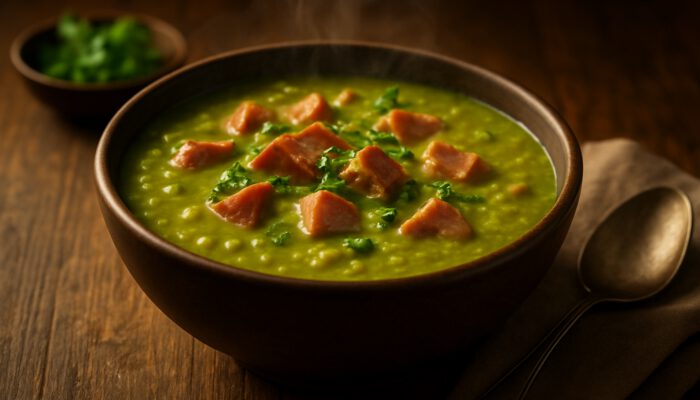
What effective soaking methods should you utilise for the peas?
Soaking the split peas is a crucial step that significantly shortens cooking time while enhancing digestibility. Ideally, soak them overnight in cold water, allowing them to expand and soften. This preparation accelerates the cooking process and helps achieve the desired consistency in your soup. If you are pressed for time, a quick soak method works well: boil the peas for a few minutes, then let them rest for about an hour before cooking. This straightforward technique ensures your soup remains hearty and enjoyable.
Is simmering essential for developing rich flavours?
Yes, simmering is key to creating the rich, complex flavours in your soup. A gentle simmer allows all ingredients to meld beautifully without disintegrating too quickly. It is crucial to monitor the heat; a vigorous boil can cause the peas to become mushy, while a gentle simmer yields tender, flavourful soup. Regularly check the texture of the peas during cooking; they should soften enough to blend into the broth while still providing a satisfying body to the dish.
How does the addition of ham enrich the overall flavour of the soup?
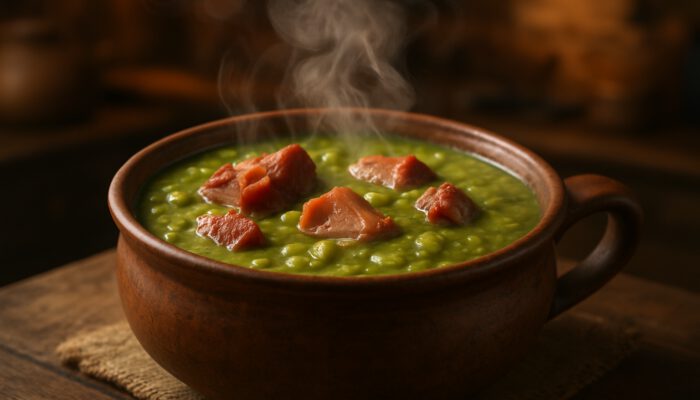
Incorporating smoked ham into your soup is a transformative step that elevates flavour. The timing of when you add the ham is crucial; introducing it early in the cooking process allows its rich, smoky essence to permeate the broth thoroughly. This not only amplifies the overall flavour but also boosts the protein content of the dish. Choose a ham hock or diced smoked ham for optimal results, as these options contribute a satisfying depth and a delightful burst of umami, elevating this humble split pea soup to gourmet standards.
Proven Techniques for Perfecting Your Split Pea Soup with Smoked Ham
What attributes characterise a well-balanced soup recipe?
Creating a well-balanced split pea soup with smoked ham involves harmonising flavours and textures. Start by sautéing your vegetables to caramelise their natural sugars before adding the split peas and broth. This foundational step establishes a flavour-packed dish. Feel free to experiment; a pinch of spices like cumin or smoked paprika can elevate the dish even further. If you prefer a smokier flavour, consider adding a dash of liquid smoke while adjusting the seasoning, ensuring the essence of the soup remains intact.
How can you achieve the ideal texture in your soup?
To create the perfect texture in your soup, consider the blending techniques you adopt. After simmering, you may opt to blend a portion of the mixture for a creamy consistency while leaving some peas intact for a chunky mouthfeel. An immersion blender can be particularly useful, allowing precise control over the texture. If you prefer a completely smooth soup, transfer it to a standard blender and blend until silky. Striking a balance is vital; you want a creamy soup that still showcases the distinct identity of the split peas.
Why is it important to layer seasoning for a rich flavour profile?
Layering seasoning is essential for crafting a deep flavour profile in your soup. Begin with the base ingredients, then gradually introduce herbs and spices throughout the cooking process. For example, adding salt early can draw moisture from the vegetables, while making final seasoning adjustments can elevate the overall flavour of the soup. Fresh herbs, such as thyme or parsley, should be added towards the end of cooking to preserve their vibrant qualities. This method not only creates complexity but also allows for adjustments based on personal preferences and the freshness of the ingredients.
How can you effectively select and prepare your ingredients?
In Australian kitchens, choosing fresh split peas and high-quality smoked ham is crucial for a flavoursome soup. Opt for locally sourced peas to ensure better texture and flavour, and select ham that offers a well-balanced smoky taste. Preparation includes soaking the peas overnight and finely dicing the ham, ensuring even distribution throughout the soup for enhanced taste and consistency. Careful selection of ingredients guarantees that each bowl delivers a satisfying and authentic experience, making every spoonful a celebration of flavour.
What Makes This Split Pea Soup Irresistibly Delicious?
Can fresh herbs truly enhance the soup’s flavour?
Absolutely, adding fresh herbs can significantly elevate the flavour of your split pea soup with smoked ham. Herbs like thyme, parsley, and bay leaves complement the smoky notes of the ham, introducing a fresh and complex flavour. Their aromatic qualities can transform a simple soup into a culinary delight. Incorporating herbs at various stages—such as sautéing them with the vegetables or garnishing before serving—can further enhance the overall aroma and flavour profile. Experimenting with fresh herbs that suit your taste preferences can yield delightful and personalised results.
How does the ham contribute to the overall smokiness of the soup?
The addition of smoked ham significantly enriches your soup; it adds both depth and a comforting layer of smokiness that is undeniably indulgent. When selecting ham, choose cuts that feature a balanced ratio of fat to meat; the fat renders during cooking, enhancing the broth beautifully. Consider pairing it with:
- Chopped green onions for a refreshing contrast.
- Crispy bacon bits as a garnish for added crunch.
- Shredded cheese for a rich, creamy finish.
- Crusty bread for dipping, enhancing the overall meal experience.
What role do vegetables play in enhancing the dish?
Vegetables are crucial for providing nutrients, sweetness, and texture to your split pea soup. Onions, carrots, and celery not only amplify the flavour but also contribute vitamins and minerals to the dish. Their integration is seamless; they soften and become aromatic, blending beautifully with the split peas. Consider adding seasonal vegetables to keep the soup varied throughout the year—zucchini in summer or root vegetables in winter can introduce exciting new dimensions to this classic recipe.
Research-Backed Benefits of Split Pea Soup with Smoked Ham
How does this soup support your nutritional needs?
Incorporating nutrient-rich elements into your split pea soup with smoked ham enhances its overall nutritional profile. Split peas are an excellent source of protein and fibre, promoting digestive health and helping to keep you feeling full. To create a more nutrient-dense soup, consider adding leafy greens like spinach or kale, which significantly increase vitamins A and C. This soup not only satisfies hunger but also nurtures your body in a wholesome way.
What makes this soup a comforting meal option?
The comforting qualities of split pea soup arise from its wholesome ingredients, which provide warmth and satisfaction. The smoked ham contributes a hearty richness, while the peas lend a creamy texture when cooked perfectly. On cooler days, a warm bowl of this soup nourishes the body and evokes feelings of home and comfort. It’s a meal crafted for sharing, ideal for family gatherings or chilly evenings spent indoors.
Is split pea soup easy to digest for most individuals?
The preparation methods used for split pea soup greatly affect its digestibility. Soaking the peas beforehand not only reduces cooking time but also enhances digestibility by breaking down some of the complex carbohydrates. The addition of smoked ham provides protein without overwhelming the digestive system, making this soup generally easy to enjoy and absorb. This combination creates a comforting meal that is both hearty and gentle on the stomach.
How does this soup aid in blood sugar control?
Rich in fibre, split pea soup supports stable blood sugar levels, making it particularly advantageous for managing diabetes. The soluble fibre from peas slows glucose absorption, helping to prevent spikes in blood sugar. Including ingredients like carrots not only enhances flavour but also boosts the nutritional content of the soup. Regular consumption of this soup can contribute to sustained energy levels and overall health, making it an ideal choice for those following a balanced diet.
Is this soup effective for weight management?
The protein and fibre found in split pea soup with smoked ham significantly promote feelings of fullness, aiding effective weight management. When prepared with low-fat ham and various vegetables, this soup serves as a low-calorie meal option. Studies suggest that high-fibre diets can yield better weight loss results, making this soup a fantastic addition to any health-conscious meal plan. Including it in your diet can lead to improved portion control while enjoying satisfying flavours.
Can You Adapt This Recipe to Suit Your Taste Preferences?
What variations work well for vegetarian options?
For vegetarians, adapting the split pea soup with smoked ham recipe is simple and enjoyable. A great substitution is to replace the ham with smoked tempeh or liquid smoke, which can replicate the delicious smokiness without using animal products. Enhance the dish further with additional spices like smoked paprika or chipotle for added depth while maintaining the essence of the original recipe. This approach ensures that everyone can enjoy a hearty, flavourful soup regardless of dietary preferences.
How can you adjust the recipe to introduce some heat?
If you’re eager to add a bit of spice to your soup, there are numerous versatile ingredients to consider. Incorporating crushed red pepper flakes or diced jalapeños can elevate the spice level to suit your palate. Balance the heat with a touch of sweetness from carrots or a splash of vinegar for depth. Gradually introduce these spicy elements, tasting frequently to ensure that all flavours harmonise beautifully, resulting in a dish tailored to your liking.
Should you experiment with different garnishes for your soup?
Exploring various garnishes can elevate your split pea soup from a basic dish to a culinary masterpiece. Consider toppings like sour cream or Greek yogurt for creaminess, or finely chopped herbs such as chives and parsley for a fresh touch. Even crispy bacon or croutons can introduce a delightful crunch, providing a satisfying contrast to the smooth texture of the soup. These creative enhancements offer a personal touch and encourage diners to savour the meal in their unique way.
Proven Techniques for Serving and Storing Split Pea Soup
How can you present the soup attractively for your guests?
Plating your split pea soup with smoked ham in an appealing manner can greatly enhance the dining experience. Use shallow bowls to effectively showcase the vibrant green colour of the soup. A garnish of sour cream and a sprinkle of fresh herbs can add both visual interest and flavour. To add flair, serve the soup with crusty bread on the side, making the meal feel more complete and inviting. Here are some serving suggestions to inspire your creativity:
- Accompany with a crisp green salad for a refreshing balance.
- Top with crisp bacon bits for a flavour-packed crunch.
- Garnish with toasted seeds for a delightful textural contrast.
- Serve in rustic bread bowls for a unique and memorable presentation.
What are the best practices for storing leftover soup?
Properly storing leftover split pea soup is essential for ensuring its freshness for future meals. Allow the soup to cool completely before transferring it to airtight containers. Refrigerate for up to three days or freeze for longer storage. When reheating, do so gently on the stove to avoid scorching, adding a splash of broth or water to restore its original consistency. This storage method preserves flavours and makes meal prep easy and convenient.
Can split pea soup be effectively frozen for later enjoyment?
Yes, freezing your split pea soup is an excellent way to maintain its quality for long-term enjoyment. After cooling, portion the soup into freezer-safe containers, ensuring to leave space for expansion. It can be frozen for up to three months without losing flavour. To enjoy, simply thaw overnight in the refrigerator and reheat gently on the stove. This convenience allows you to have homemade soup ready whenever you crave it, making meal planning effortless.
How to pair the soup with the best sides for enhanced enjoyment?
Pairing your split pea soup with smoked ham with complementary sides can enhance the overall enjoyment of the meal. Crusty bread is a classic accompaniment, perfect for dipping. Fresh salads introduce a crunchy contrast, while grilled proteins like chicken or fish can beautifully round out the meal. In Australia, consider serving with native bush herbs or damper, a traditional bread that adds a unique twist. Emphasising portion control with these sides ensures a balanced and nutritious meal, catering to health-conscious diners.
Frequently Asked Questions About Split Pea Soup
Can I substitute fresh peas for dried split peas in the recipe?
Fresh peas can certainly be used, but they will not provide the same thick texture as dried split peas. If you choose to use fresh peas, reduce the cooking time considerably to avoid mushiness.
How long does it typically take to cook split pea soup?
Cooking split pea soup usually takes about one to two hours, depending on whether the peas have been soaked beforehand. Soaked peas cook faster, generally within 45 minutes to an hour.
Can I prepare this soup using a slow cooker?
Yes, this soup can be easily made in a slow cooker. Simply combine all ingredients and cook on low for 6-8 hours or on high for 3-4 hours until the peas are tender and flavours meld beautifully.
Is split pea soup gluten-free by nature?
Yes, split pea soup is naturally gluten-free. Just ensure that all added ingredients, such as broth or any seasonings, are also gluten-free to maintain this status.
Can I replace ham with turkey in the recipe?
Absolutely! Turkey can be a healthy substitute for smoked ham. You can use smoked turkey legs or diced turkey for a similar flavour profile that complements the soup.
What are the best herbs to enhance split pea soup?
Herbs like thyme, bay leaves, and parsley work exceptionally well in split pea soup. Fresh herbs can be added towards the end of cooking to maintain their bright and vibrant flavours.
How do I properly store leftover soup?
Store leftover soup in airtight containers in the refrigerator for up to three days. To freeze, transfer to freezer-safe containers, remembering to leave space for expansion during freezing.
Do I need to peel the split peas before cooking?
No, you do not need to peel split peas. They are typically sold shelled and ready for cooking, simplifying the preparation process.
Can I add other vegetables to the soup for added variety?
Certainly! Carrots, potatoes, and even leafy greens can be incorporated to enhance the nutritional value and flavour of the soup, making it even more versatile.
How can I thicken the soup further if desired?
If you prefer a thicker consistency, you could purée a portion of the soup using an immersion blender or add more split peas during cooking to achieve your desired thickness.
Connect with us on Facebook for more delicious recipes!
The post Split Pea Soup Recipe with Smoked Ham: A Comforting Classic appeared first on https://cookinggods.com
The Article Split Pea Soup with Smoked Ham: A Cozy Classic Recipe Was Found On https://limitsofstrategy.com