

A soundproof wall serves to significantly reduce noise levels by adding mass, disrupting sound pathways within its structure, and ensuring that all gaps are adequately filled and sealed. In residential environments, this often involves building a stud wall that incorporates insulation within the cavity, accompanied by acoustic plasterboard affixed to one or both sides. Although no wall can guarantee complete silence, a meticulously constructed soundproof wall can greatly lessen the transmission of voices and television sounds from adjacent rooms.
The specific type of soundproof wall required depends on the unique noise issues you are experiencing. For example, the soundproofing needs of a bedroom will differ from those of a home office that is distanced from shared spaces or a wall that borders a neighbouring property. Each situation demands a tailored soundproofing strategy.
Let’s delve into effective noise reduction methods and examine the limitations associated with various techniques.
How Do Soundproof Walls Block Noise?
Sound can penetrate a wall through two primary mechanisms. Firstly, it vibrates the plasterboard akin to how a drum skin vibrates. Secondly, it travels through solid connections, such as the studs linking one side of the wall to the other. A soundproof wall effectively tackles both of these pathways.
- Mass: Heavier materials impede sound movement. Acoustic plasterboard is denser than standard plasterboard, and using two layers tends to be more effective than a single layer.
- Insulation within the cavity: Acoustic insulation placed between the studs absorbs sound that would otherwise reverberate within the wall.
- Disruption of connections: When each side of the wall is attached to its own frame, or when the lining is mounted on resilient mounts, sound transmission through the studs is significantly minimised.
- Sealing gaps: Any openings at the floor, ceiling, or around electrical points allow sound to seep through. Even small gaps can create more problems than many people realise.
The most effective soundproofing results arise from employing all four strategies in tandem. Merely upgrading one component, such as substituting standard board with acoustic board on a hollow wall, often leads to disappointing outcomes.
Maximising Soundproofing with Acoustic Plasterboard and Insulation
Acoustic plasterboard is often the first material considered for soundproofing. This type of plasterboard is heavier than standard plasterboard and specifically designed to reduce sound transmission. it frequently falls short when used in isolation.
Enhancing the Cavity of a Soundproof Wall
An unfilled stud wall acts like a hollow box, allowing sound to resonate inside it. Filling this cavity with acoustic insulation is one of the most effective improvements you can implement. For an existing wall, this involves removing the lining on one side, installing the insulation, and then re-sheeting the wall.
Should You Use One or Two Layers of Acoustic Plasterboard?
Incorporating a second layer of plasterboard, while ensuring that the joints are staggered, increases the wall’s mass without significantly adding to its thickness. This approach is ideal for areas requiring enhanced soundproofing but lacking the space for a broader frame.
Building a New Stud Wall with Soundproofing in Mind
When dividing a room or creating a private area, it is easier to design the wall with soundproofing in mind from the outset rather than addressing it after construction. A new timber or steel stud wall can be framed, insulated, and lined systematically, ensuring that gaps are sealed throughout the building process.
For optimal soundproofing, consider constructing the wall on two separate frames, which prevents the studs on one side from contacting the lining on the opposite side. While this method occupies more floor space, it is particularly beneficial for home offices or media rooms, rather than narrow hallways. For further details on the stud walls and partitions we create, plaster, and paint, visit our carpentry page.
How Can You Achieve Effective Soundproofing Between Shared Walls?
Walls that separate attached properties, such as townhouses and duplexes, must adhere to the National Construction Code (NCC). The NCC Housing Provisions specify that a separating wall between Class 1 buildings must achieve an airborne sound rating (Rw + Ctr) of at least 50 (ABCB, NCC 2022 Housing Provisions Part 10.7 Sound insulation). This regulation specifically applies to walls separating different dwellings, rather than those that divide rooms within a single residence.
If noise is infiltrating through a shared wall, enhancing your side can be beneficial. This typically involves adding a new lining on its own frame, complete with insulation behind it. Any changes that interact with the separating wall, such as fixings or new openings, should be assessed against the original building design before proceeding.
What Considerations Should You Keep in Mind When Choosing a Soundproof Wall for Different Rooms?
Soundproofing requirements vary based on the type of noise and the layout of the room. Consider these common scenarios:
Implementing a Soundproof Wall in a Bedroom
If you find it difficult to sleep with the television on in the adjacent room, voices can often be the most distracting element. Installing insulation within the cavity and applying acoustic plasterboard on the noisy side can significantly enhance the situation. The quality of the door is also crucial in this context.
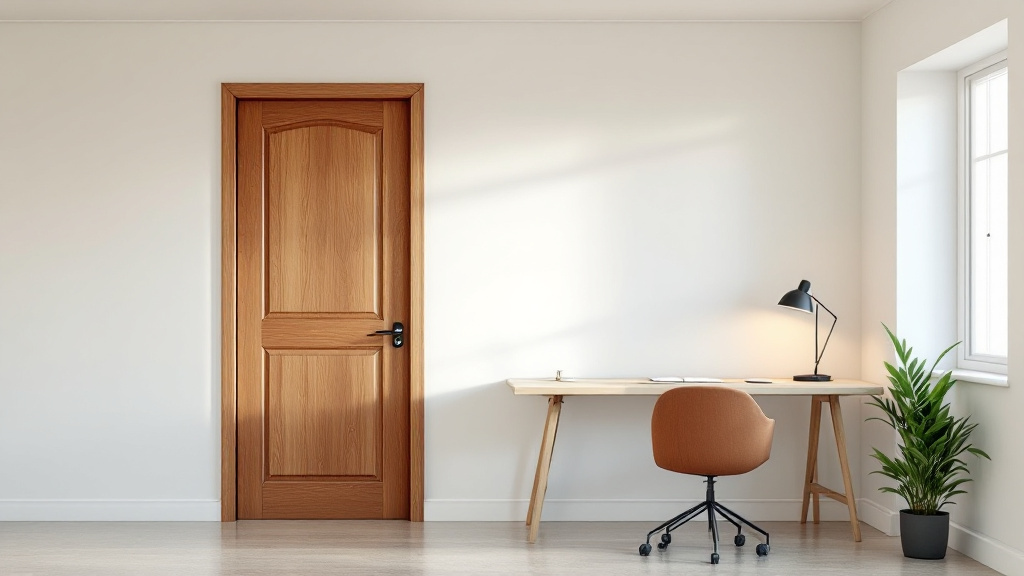
Creating a Soundproof Wall in a Home Office
For those working from home who need to take calls, blocking out external noise while containing your voice is vital. Constructing a new stud wall with insulation, two layers of acoustic board, and a well-sealed door is an effective remedy.
Designing a Soundproof Wall for a Media Room
If your aim is to create a home theatre, managing bass sounds can be particularly challenging. In this case, employing a double frame and adding extra mass is essential for effective soundproofing.
What Are Rw Ratings and Their Impact on Soundproof Walls?
When selecting wall systems, you may encounter an Rw rating. Rw signifies the sound reduction rating; a higher number indicates that less noise penetrates the wall. The Ctr component adjusts this rating for lower frequencies, such as bass sounds and traffic noise, which are more difficult to block.
A wall may effectively diminish voice transmission while still allowing lower frequencies, like those produced by a subwoofer, to pass through. If you are dealing with music, film soundtracks, or road noise, low-end frequencies should be the primary focus of your soundproofing strategy. Increasing mass and disrupting connections between the two sides of the wall are the most effective methods for mitigating these sounds.
Where Do Soundproof Walls Fall Short in Addressing Noise Issues?
Sound travels the path of least resistance. If it can circumvent the wall, simply upgrading the wall will not resolve the issue. Here are some common weak points:
- Doors: A hollow door with a gap underneath allows significantly more sound to pass through than the adjoining wall. A solid door equipped with seals can greatly enhance sound isolation.
- Ceiling spaces: If the wall does not extend to the ceiling, noise can travel over the top through the roof space.
- Floors: Timber floors can transmit footsteps and noise between rooms.
- Power points and switches: Back-to-back power points create a direct route through the wall.
- Windows: Noise from the street travels through glass much more effectively than through walls.
Identifying the true sources of noise infiltration before constructing a wall that only addresses part of the problem is beneficial. Otherwise, you risk incurring costs for incomplete solutions.
What Key Factors Influence the Cost of a Soundproof Wall?
The cost of soundproofing varies based on your specific noise concerns and the condition of the existing wall. Several factors can influence the final quotation:
- New wall vs existing wall: Upgrading an existing wall necessitates removing the lining and reinstalling it.
- Wall dimensions: The length and height of the wall determine the quantity of board and insulation required.
- Number of layers: The decision between a single layer of acoustic board and two layers affects the overall cost.
- Separate frames: A double frame requires additional timber or steel and occupies more floor space.
- Doors and openings: Including a solid door, seals, or new doorways broadens the project’s scope.
- Finishing and painting: Whether the new wall is set, sanded, sealed, and painted to match the existing room décor impacts the total expense.
Obtaining a complimentary quote is the simplest way to ascertain what your room requires. Contact us with details about the noise issues, their sources, and the room you wish to soundproof. We will outline the options best suited to your needs.
Plastering Central. Call 0459 664 951. NSW Licence 393197C (All Paintworx Pty Ltd).
Original Article First Published At: Soundproof wall options for Central Coast homes
The Article: Soundproof Wall Solutions for Homes on the Central Coast first appeared on https://writebuff.com
The post Soundproof Wall Solutions for Central Coast Homes appeared first on Limits Of Strategy.