

Your Ultimate Resource for Comprehensive Mental Health Services and Support
Exploring the NHS Framework for Holistic Mental Health Support
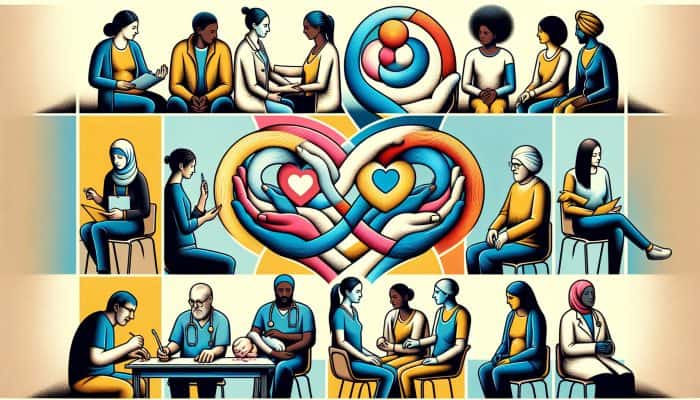
The National Health Service (NHS) is instrumental in providing a comprehensive range of mental health services that cater to the diverse needs of communities across the UK, particularly those from minority backgrounds. The NHS has developed a robust framework designed to accommodate various mental health needs, which includes specialized services like counselling, therapy, and psychiatric support. This commitment to inclusivity ensures that minority communities receive tailored support that respects their cultural contexts. Such services are critical in addressing the distinct challenges these groups face, including discrimination, stigma, and particular cultural expectations regarding mental health.
For individuals from minority communities, familiarising themselves with the extensive array of services offered through the NHS is essential. These resources, ranging from General Practitioners (GPs) to specialized mental health practitioners, serve as a vital entry point to necessary resources that guide individuals towards effective interventions. This proactive approach plays a pivotal role in creating an environment that prioritizes mental wellness, aiding in the dismantling of barriers that commonly hinder minorities from accessing the support they need.
Essential Steps for Effectively Navigating the Mental Health Care System
Accessing mental health care can often feel daunting, especially for minority communities in the UK. It is crucial to understand the various services available and how to engage with them effectively. Below are some key steps designed to simplify the process of obtaining necessary care:
- Identify the local NHS services available to you, including GPs and mental health teams.
- Consult your GP for an initial assessment or referral to mental health services.
- Research local community mental health initiatives that cater specifically to the unique needs of minority groups.
- Utilise online resources and helplines for immediate support and guidance.
- Seek practitioners who are culturally competent and possess an understanding of minority backgrounds.
- Engage with local support groups to share experiences and gain valuable insights.
- Follow up consistently to ensure continuity of care and ongoing support.
- Advocate for yourself or your loved ones to ensure that all needs are met effectively.
By following these steps, individuals from minority communities can navigate the complexities of the mental health care system more effectively, ensuring they receive the essential support needed for their overall well-being.
The Critical Role of Cultural Sensitivity in Delivering Mental Health Care
Cultural sensitivity is a fundamental aspect of providing effective mental health care, particularly for minority communities in the UK, as it enhances communication and understanding between healthcare providers and patients. When healthcare professionals demonstrate respect and awareness of cultural differences, they cultivate an environment conducive to therapy, encouraging individuals to seek help without the fear of being judged or misunderstood. Culturally sensitive care includes various practices, such as:
- Training healthcare providers in cultural competence and awareness.
- Involving community leaders in the development of mental health initiatives.
- Providing language translation services to bridge communication gaps.
- Recognising and validating cultural beliefs surrounding mental health.
- Creating outreach programs that specifically address the needs of minority communities.
- Utilising culturally relevant materials and resources during therapy sessions.
- Encouraging family involvement in treatment plans.
- Implementing feedback systems to enhance service delivery.
Prioritising cultural sensitivity in mental health services can significantly enhance their effectiveness, ensuring that minority communities feel acknowledged and understood throughout their care journey.
Insights from Professionals on Mental Health Challenges Faced by Minority Communities

Evaluating Successful Mental Health Interventions for Minority Populations
Successful interventions that target minority communities across the UK demonstrate the effectiveness of culturally sensitive mental health practices. For instance, a community program in East London has significantly reduced rates of anxiety and depression within the Bangladeshi community through culturally tailored workshops and peer support groups. These initiatives have built trust and engagement, resulting in remarkable improvements in mental health outcomes.
Implementing Effective Strategies for Enhanced Community Mental Health Support
Community leaders and members possess various practical strategies to enhance mental health support within minority groups throughout the UK. Initiatives could include organising regular mental health awareness workshops, promoting peer support networks, and collaborating with local mental health organisations to provide culturally relevant resources. These efforts create a supportive environment that encourages individuals to seek assistance when needed.
Expert Insights on Cultural Barriers to Accessing Mental Health Care

Cultural barriers continue to present significant challenges for minority communities in accessing mental health services throughout the UK. Experts underscore the pervasive stigma surrounding mental illness, which often deters individuals from seeking help. Additionally, historical mistrust of healthcare systems, frequently rooted in systemic discrimination, exacerbates these barriers. Understanding these cultural dynamics is vital for developing effective mental health strategies that resonate with minority populations.
Identifying the Major Barriers to Accessing Mental Health Care
Effective Strategies for Overcoming Language Barriers in Mental Health Services
Language barriers pose considerable challenges for minority communities striving to access mental health services in the UK. These obstacles can result in misunderstandings, misdiagnoses, and a breakdown of trust between individuals and healthcare providers. Effective strategies to overcome these barriers include employing multilingual staff, offering translation services, and creating service materials in multiple languages. Collaborating with community organisations on outreach programs can also improve communication and ensure that language does not hinder access to essential care.
The Impact of Stigma in Preventing Access to Mental Health Care
The stigma associated with mental health issues is particularly pronounced among minority communities in the UK, significantly affecting their willingness to seek care. Many individuals fear being labelled as “weak” or “unstable,” deterring them from pursuing help. This societal stigma often intertwines with cultural beliefs that prioritise family reputation over individual well-being. Tackling these stigmas through community education and targeted campaigns is essential for promoting mental health as a fundamental aspect of overall health, encouraging individuals to seek assistance without fear.
Socioeconomic Status and Its Impact on Access to Mental Health Care
Socioeconomic status is a crucial factor influencing access to mental health care for minority communities in the UK. Individuals from lower socioeconomic backgrounds often face barriers such as limited financial resources, inadequate transportation, and insufficient awareness of available services. These challenges can lead to delayed treatment or complete inaccessibility. Addressing these socioeconomic disparities necessitates targeted interventions, including financial support for mental health services, mobile clinics, and community outreach initiatives that inform individuals of their rights to mental health care.
Innovative Community-Based Mental Health Initiatives and Their Impact
Highlighting Successful Community Mental Health Programmes
Across the UK, numerous community-based mental health initiatives have been successfully tailored to meet the needs of minority populations. A notable example is the “Thrive London” program, which aims to enhance mental health outcomes in the capital, particularly among BAME communities. This initiative integrates mental health support into local services and encourages community involvement, thereby increasing awareness and utilisation of mental health resources. Such programs serve as exemplary models for effectively addressing the unique requirements of minority communities.
Community Strategies for Effective Mental Health Support
Minority communities in the UK can take proactive steps to support mental health within their groups by fostering open discussions about overall well-being. Establishing support groups, creating safe spaces for dialogue, and promoting mental health literacy among community members can significantly enhance overall mental health. Collaborating with local mental health organisations to plan community events centred on mental health can also increase visibility and support for those in need.
The Essential Role of Community Leaders in Mental Health Advocacy
Community leaders have a crucial role in advocating for mental health awareness and support within minority communities in the UK. By championing mental health initiatives, facilitating workshops, and serving as relatable figures, they help dismantle stigma and motivate individuals to seek help. Furthermore, community leaders can assist in identifying specific mental health needs and fostering partnerships with mental health organisations to ensure services are both accessible and culturally appropriate.
Ensuring Adequate Funding and Resources for Community Mental Health Initiatives
Securing proper funding and resources is vital for sustaining community-based mental health initiatives aimed at minority populations in the UK. Obtaining financial support from government bodies, charities, and the private sector enables communities to develop tailored programs that address their unique needs. Additionally, involving community members in the planning and implementation processes enhances the relevance and impact of these initiatives, ultimately fostering long-term positive outcomes.
Enhancing Mental Health Education for Minority Communities
Accessible Mental Health Educational Resources for Minority Communities
The availability of mental health educational resources for minority communities in the UK varies significantly. Although some organisations provide tailored materials, access to these resources can still be limited due to language barriers or cultural insensitivity. Creating comprehensive, culturally relevant educational materials and ensuring their distribution through community centres, schools, and local organisations can empower individuals with crucial knowledge about mental health, promoting effective support and treatment.
The Role of Schools and Universities in Advancing Mental Health Awareness
Educational institutions in the UK play an essential role in enhancing mental health education for minority students. By implementing mental health awareness programs, integrating mental health topics into the curriculum, and training staff to recognise and address mental health issues, schools and universities can create supportive environments. Additionally, forming partnerships with local mental health organisations can strengthen the resources available to students, ensuring they receive the necessary support throughout their educational journey.
The Importance of Culturally Relevant Education in Mental Health
Culturally relevant mental health education is crucial for effectively engaging minority communities in the UK. Tailoring educational content to reflect the experiences and values of specific cultural groups fosters greater understanding and acceptance of mental health issues. Moreover, involving community members in the development of educational materials ensures that they resonate with the target audience, ultimately encouraging more individuals to engage with mental health resources.
Effective Strategies for Enhancing Mental Health in Minority Communities
Real-World Examples of Successful Mental Health Strategies
Proven strategies aimed at improving mental health outcomes for minority communities in the UK include peer support programs and culturally specific mental health interventions. For instance, a peer-led initiative within the South Asian community in Birmingham has successfully reduced feelings of isolation and anxiety by fostering strong social connections among participants. These community-driven approaches exemplify the power of shared experiences in enhancing mental health and overall well-being.
Actionable Steps for Implementing Effective Mental Health Strategies
Implementing mental health strategies within minority communities in the UK effectively requires several key steps to ensure their success:
- Engage community members to identify their specific mental health needs.
- Develop culturally relevant programs based on community feedback.
- Train facilitators to provide effective support and guidance.
- Promote mental health awareness and destigmatise seeking help.
- Evaluate and adapt programs based on participant feedback.
- Collaborate with mental health professionals to ensure adherence to best practices.
- Utilise social media and local platforms to reach broader audiences.
- Provide ongoing support and resources to ensure sustainability.
These actionable steps aim to establish a comprehensive approach to mental health support within minority communities, fostering resilience and understanding.
Insights from Experts on the Effectiveness of Mental Health Strategies
Experts affirm that various mental health strategies have proven effective in addressing the specific needs of minority communities in the UK. Community-led initiatives that integrate cultural understanding and peer support not only enhance engagement but also cultivate a sense of belonging among participants. Such approaches are essential in breaking down stigma and motivating individuals to prioritize their mental health.
Understanding the Relationship Between Mental Health and Employment: Key Insights
Workplace Mental Health Support for Minority Employees
The availability and effectiveness of workplace mental health support for minority employees in the UK are increasingly recognised as crucial. Many organisations are now acknowledging the need for tailored mental health resources that consider the diverse cultural backgrounds of their workforce. Employee Assistance Programs (EAPs), designated mental health days, and stress management training exemplify support systems that can significantly benefit minority employees, fostering a healthier work environment.
Strategies for Promoting Mental Health in the Workplace
Employers in the UK can actively promote mental health among minority employees through a variety of strategies. This includes fostering an inclusive workplace culture that values diversity, offering flexible working arrangements, and providing access to mental health resources. Training managers to recognise and address mental health issues also contributes to a supportive atmosphere, empowering employees to feel comfortable discussing their mental health needs.
The Impact of Job Stress on Minority Workers’ Mental Health
Job-related stress can profoundly affect the mental health of minority workers in the UK. Elevated stress levels often arise from workplace discrimination, job insecurity, and the pressure to conform to dominant workplace cultures. These stressors can lead to anxiety, depression, and other mental health issues, highlighting the urgent need for employers to implement strategies that address the unique challenges faced by minority employees.
Essential Mental Health Training for Employees
Implementing mental health training programs for minority employees in the UK is essential for effectively addressing workplace mental health concerns. Such training equips employees with the knowledge and skills to recognise signs of mental health issues, both in themselves and their colleagues. Moreover, offering workshops focused on resilience-building and stress management empowers employees to proactively navigate their mental health challenges.
The Role of Legislation in Supporting Workplace Mental Health Initiatives
UK legislation plays a significant role in supporting mental health initiatives for minority employees within the workplace. The Equality Act 2010 mandates that employers take reasonable steps to protect the mental health and well-being of their employees, including those from minority backgrounds. Raising awareness of these legal obligations among employers can promote improved mental health practices and contribute to a more equitable working environment.
Addressing the Distinct Mental Health Needs of Various Minority Groups
Responding to the Unique Mental Health Needs of the BAME Community
The Black, Asian, and Minority Ethnic (BAME) community in the UK has distinct mental health needs that require considerate and understanding approaches. Common issues within this community include elevated rates of anxiety and depression, often exacerbated by systemic discrimination and cultural stigma surrounding mental health. Providing tailored services that consider these specific experiences is essential for promoting improved mental health outcomes for the BAME community.
Effectively Addressing the Mental Health Needs of the LGBTQ+ Community
The LGBTQ+ minority community in the UK faces unique mental health challenges, including heightened risks of depression and anxiety due to societal stigma and discrimination. To effectively address these needs, mental health services must offer inclusive and affirming support, incorporating the perspectives of LGBTQ+ individuals into program design. Access to peer support networks and culturally competent care can significantly enhance mental health outcomes within this community.
Providing Effective Mental Health Support for Refugees and Asylum Seekers
Refugees and asylum seekers in the UK encounter unique challenges in accessing mental health support, primarily due to trauma, cultural dislocation, and uncertainty regarding their legal status. Mental health services must be adapted to meet these needs by providing trauma-informed care and support that acknowledges the complex emotional experiences of these individuals. Ensuring access to culturally sensitive resources can facilitate their integration and promote their mental well-being.
Future Directions and Innovations in Mental Health Care
The Impact of Policy Changes on Mental Health Services for Minority Communities
Recent and forthcoming policy changes in the UK have the potential to significantly influence mental health care for minority communities. Initiatives aimed at increasing funding for mental health services and promoting culturally competent care are crucial for enhancing access and outcomes. Ongoing advocacy for policy changes that address the unique needs of minority communities will be essential in shaping a more equitable mental health care landscape.
Utilising Technology to Enhance Access to Mental Health Services
Technology offers the potential to transform mental health services for minority communities in the UK. Options such as telehealth, online counselling, and mental health applications provide accessible support, particularly for those facing barriers to traditional in-person services. Furthermore, technology can facilitate outreach and education, increasing awareness and reducing stigma surrounding mental health issues within these communities.
Strategies for Cultivating a More Inclusive Mental Health System
Creating a more inclusive mental health system is essential for effectively addressing the needs of minority communities in the UK. This initiative requires ongoing collaboration among policymakers, healthcare providers, and community organisations to ensure that services are culturally sensitive and accessible. Developing comprehensive strategies that confront systemic inequalities will foster a more equitable mental health landscape, ultimately improving outcomes for all individuals.
Frequently Asked Questions About Mental Health Care and Support
What are the primary mental health issues faced by minority communities in the UK?
Minority communities in the UK frequently encounter mental health challenges such as anxiety, depression, and stress, often exacerbated by stigma, discrimination, and cultural isolation.
How can cultural sensitivity enhance mental health care delivery?
Cultural sensitivity fosters trust and effective communication between patients and healthcare providers, thereby improving engagement and treatment outcomes for minority populations.
What role do community leaders play in advancing mental health awareness?
Community leaders can advocate for mental health initiatives, promote awareness, and cultivate supportive environments that encourage individuals to seek help when necessary.
How can schools support the mental health of minority students?
Schools can assist minority students by providing mental health education, establishing safe spaces, and offering resources tailored to their specific cultural backgrounds.
What barriers prevent minority groups from accessing mental health care?
Barriers include language differences, cultural stigma, socioeconomic factors, and a lack of culturally competent services that resonate with minority communities.
What strategies can be implemented to support mental health in the workplace?
Employers can implement strategies such as flexible working arrangements, access to mental health resources, and training for managers on mental health issues to support minority employees.
How does socioeconomic status affect access to mental health care?
Socioeconomic status influences access to mental health care through factors such as financial limitations, lack of transportation, and reduced awareness of available services.
What are effective community-based mental health initiatives?
Effective community-based initiatives include peer support programs, culturally specific workshops, and outreach efforts that engage minority populations in mental health discussions.
What is the significance of mental health education for minority communities?
Mental health education empowers minority communities with knowledge about mental wellness, destigmatizes seeking help, and promotes overall well-being.
How can technology improve access to mental health services?
Technology can enhance mental health services through telehealth options, online resources, and applications that provide accessible mental health support to minority communities.
Connect with us on Facebook!
The Article Mental Health for Minority Communities: UK Focus Was First Published On https://acupuncture-frome.co.uk
The Article Mental Health in Minority Communities: A UK Perspective Was Found On https://limitsofstrategy.com
References:
https://homerenonews.com.au/mental-health-in-minority-communities-insights-from-the-uk/