
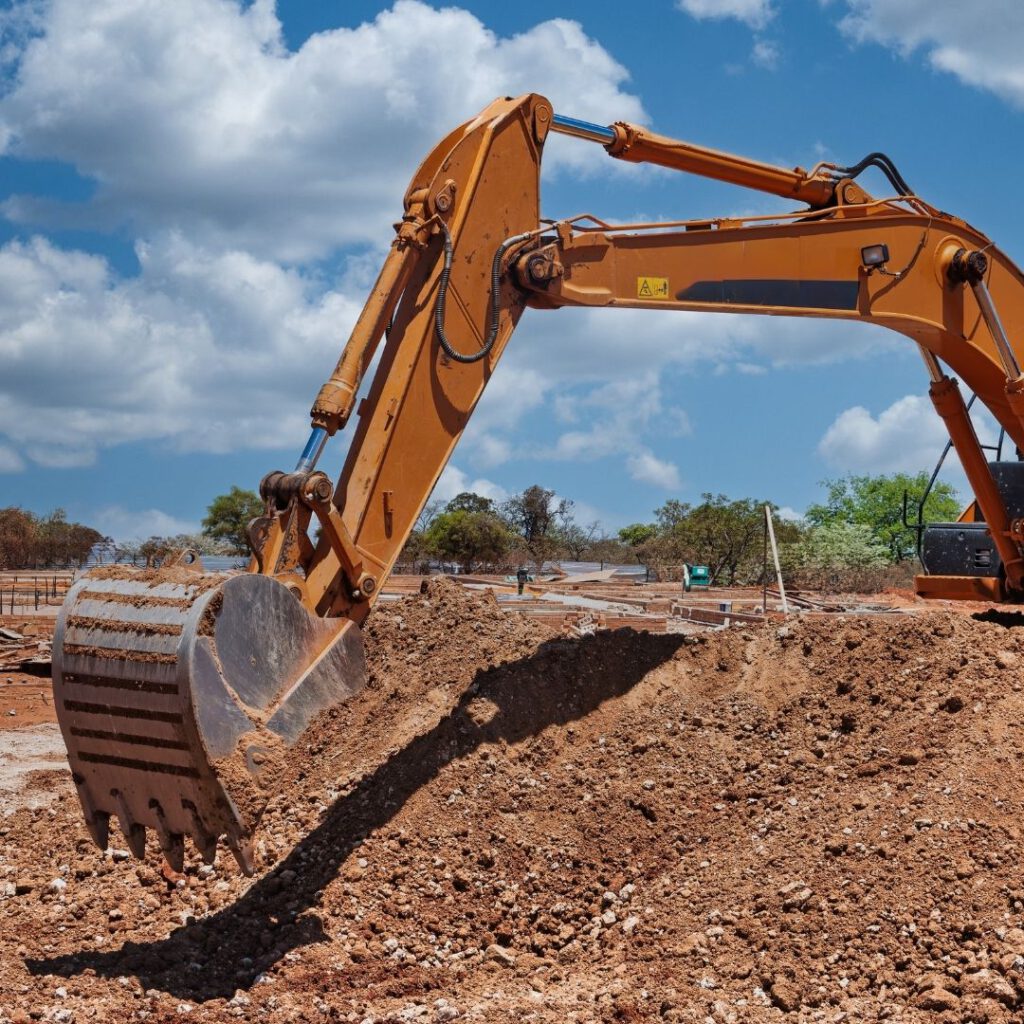
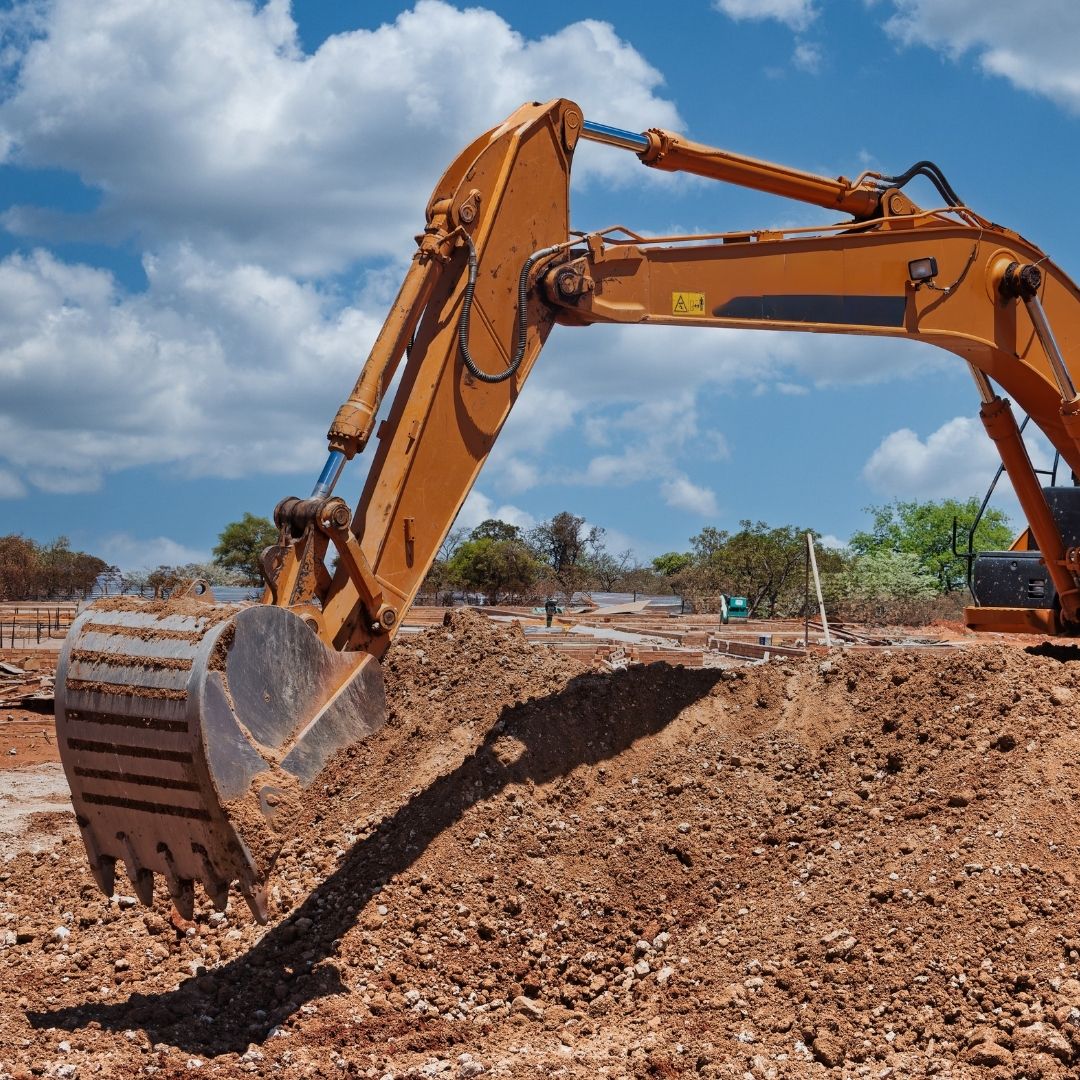
If you have clean fill soil, consider donating it or taking it to a soil recycling facility rather than renting a skip bin. If the soil is contaminated, mixed with rubble, or if you have a substantial quantity that is challenging to manage, renting a skip bin is a better choice. Remember that soil is heavy, so you may require a smaller bin than you initially think.
We offer skip bin hire services throughout Penrith, the Blue Mountains, Hawkesbury, and Western Sydney. Soil disposal is one of the most frequent requests we receive after garden renovations. This guide outlines your options, ranked from least to most expensive, ensuring you only hire a bin when absolutely necessary.
Why Donating Clean Fill Soil is a Beneficial Choice
Clean fill refers to soil that is free from rubble, roots, turf, or any other debris. This type of soil is highly desirable, making it an excellent candidate for donation.
Check local Facebook groups, Buy Nothing groups, or the “free fill” section on Gumtree. Landscapers, homeowners leveling their properties, and individuals creating garden beds often appreciate the chance to collect soil themselves. Be clear about what you are offering: if your soil contains concrete, old turf, roots, or construction debris, label it as “mixed fill,” which is less appealing. Clearly describe the contents, and you are likely to attract someone interested within days.
How to Transport Soil to a Recycling Facility or Landscape Supply Yard
If you can transport the soil yourself, taking it to a recycling facility or landscape supply yard may be the most economical option. These locations typically accept clean soil for a minimal fee, usually less than the cost of hiring a skip for a small load.
Landscape supply yards and green-waste recyclers in Western Sydney generally accept clean soil, repurposing it to create blended garden mixes. If you have access to a trailer or ute and only need to transport a few hundred kilograms, this option is ideal. Always call ahead to confirm they will accept your specific load, as most facilities do not accept soil mixed with rubble or contaminants. This leads us to situations where hiring a skip bin becomes necessary.
When is it Essential to Hire a Skip Bin for Soil Disposal?
Hiring a skip bin becomes necessary when the soil is contaminated, mixed with rubble, or exceeds what you can realistically transport yourself.
Consider these three scenarios where hiring a skip bin is advisable:
- <a href="https://writebuff.com/the-importance-of-specialised-plumbers-for-sydney-homes/">Contaminated soil</a>: This includes soil tainted with old fuel, chemicals, or unknown substances that recyclers will reject.
- Mixed fill: This refers to soil containing concrete, bricks, roots, or turf resulting from extensive excavation projects.
- <a href="https://homerenonews.com.au/largest-winning-trade-how-to-maximise-your-returns/">Large volume</a>: This applies to significant landscaping tasks where a trailer would require multiple trips to transport the soil.
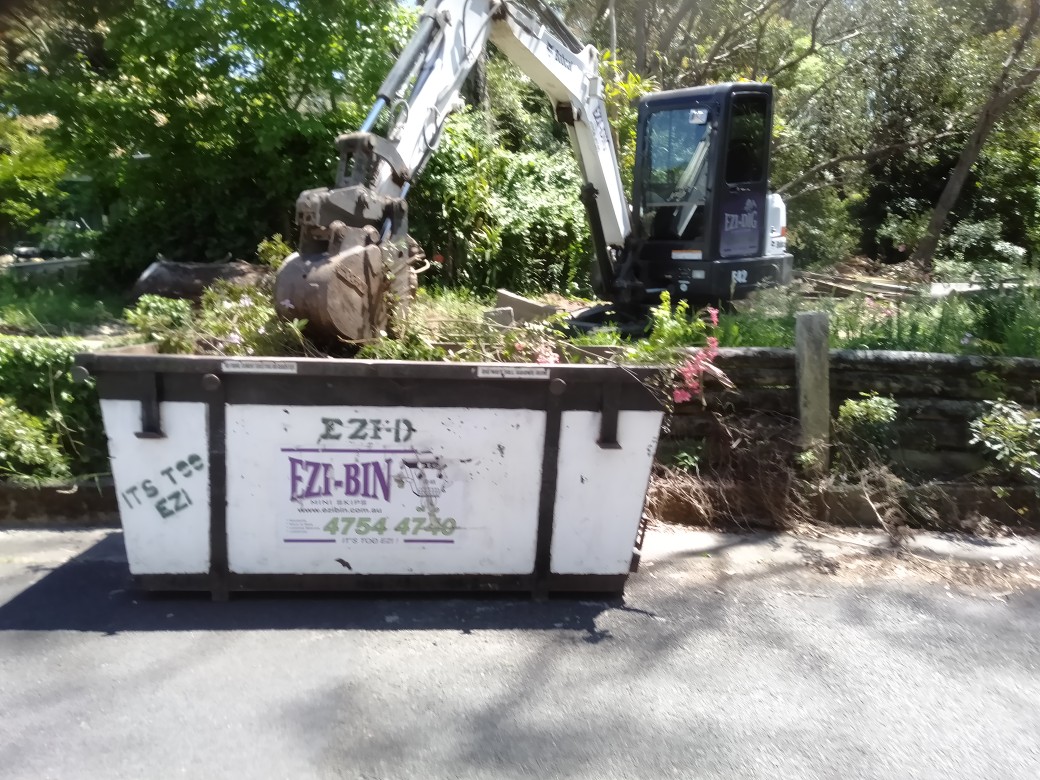
A crucial point to remember is that soil is heavy. Since bins come with weight restrictions, a load of soil can quickly reach the weight limit before fully occupying the available space. You will likely need a smaller bin than you would for lighter waste. Our bin size guide can assist you in matching the bin to the weight, and we can discuss this during your booking. We also provide a dedicated soil and dirt disposal service specifically tailored to meet those needs.
The Significance of Clean Fill Versus Mixed Fill in Soil Disposal
Clean fill provides more disposal options and is often free to dispose of, while mixed fill typically requires hiring a skip bin.
When soil is mixed with other materials, its potential for reuse diminishes significantly. Gardeners and recyclers generally won’t accept mixed fill, resulting in this material being classified as general heavy waste. If you anticipate doing excavation work, keeping clean soil separate from rubble is the most effective way to save money in the long run. This approach aligns with our philosophy regarding green waste: the cleaner and more distinctly separated the materials, the less expensive it is to dispose of them.
Our standard hire period is four days, with an option to extend for $20 per day if you require additional time, which can be beneficial if your landscaping project continues into the weekend.
Frequently Asked Questions About Soil Disposal
Can I dispose of soil in a skip bin?
Yes, soil is one of the most common types of waste we handle. Remember that soil is heavy, so it can reach the bin’s weight limit before filling up the available space. You may often need a smaller bin than you expect. Let us know that it’s a soil load when you book, and we will help you choose the right size.
Is donating soil more economical than hiring a bin?
Yes, for clean fill. Pure soil without rubble or debris is in demand; offering it for free on local Facebook, Buy Nothing, or Gumtree groups usually leads to quick collection. A skip bin becomes a more practical choice when the soil is contaminated, mixed with rubble, or when you have more than you can transport yourself.
What is the difference between clean fill and mixed fill?
Clean fill consists of soil that is free from roots, turf, concrete, or debris. Mixed fill, on the other hand, contains various other materials. This distinction is crucial because clean fill can be reused or given away for free, while mixed fill must be disposed of as heavy waste in a bin. Keeping these types separate during excavation can lead to substantial savings.
How do I determine the right size skip bin for soil disposal?
You may require a smaller bin than you anticipate. Due to the density of soil and the weight limits of bins, a load of soil can quickly reach the weight allowance. A few cubic meters of soil can max out a mid-sized bin based solely on weight. Provide us with an estimate of the volume, and we will recommend a size that stays within the limit.
Can I mix soil with other garden waste in one bin?
You can combine them, but this changes the disposal process. When soil is mixed with green waste, concrete, or general rubbish, it is classified as mixed heavy waste rather than clean fill. For the most cost-effective outcome, keep clean soil separate for recycling and use the bin for the mixed materials.
If you are still unsure about the best approach, reach out to the Ezi-Bin team for assistance. We are eager to evaluate your situation and help you find the most economical solution, whether that involves hiring a bin or exploring alternative options.
Original Article First Published At: How Do I Dispose of Soil After a Landscaping Project?
The Article: Dispose of Soil After a Landscaping Project: Here’s How first appeared on https://writebuff.com
The Article Dispose of Soil Properly After Your Landscaping Project Was Found On https://limitsofstrategy.com