
Proven Methods for Effective Dust Protection in Clearance Operations
Crucial Equipment for Optimising Dust Safety in Clearance Tasks
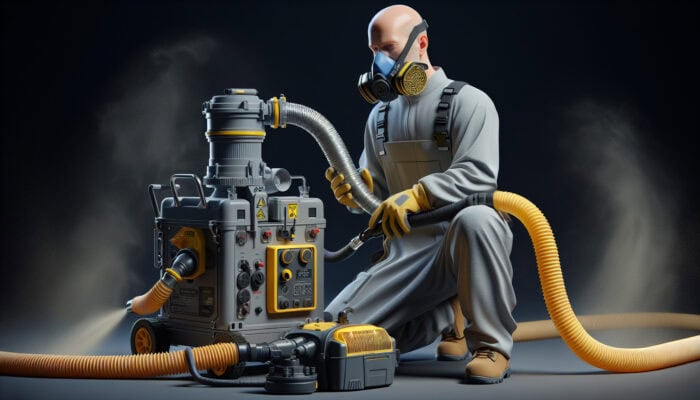
Dust protection tools are essential for ensuring safety and maintaining productivity during clearance operations. These specialised instruments are engineered to significantly reduce exposure to hazardous dust particles, thereby safeguarding the health of workers while creating a cleaner work environment. The most widely used dust protection tools include:
- Respirators and masks designed to filter out harmful particles
- Dust extraction systems that effectively capture dust at its source
- Protective clothing, such as coveralls, designed to prevent dust infiltration
- Gloves and goggles that offer protection for skin and eyes against dust exposure
- HEPA filters for superior dust removal efficiency
- Dust suppression sprays to dampen airborne particles
- Vacuum systems specifically tailored for dust control
- Face shields providing additional protective coverage
The utilisation of these protective tools is vital in preventing the spread of airborne dust, significantly reducing health risks associated with a variety of clearance tasks, whether in residential, commercial, or industrial settings.
The Essential Role of Dust Control in Clearance Operations
Implementing robust dust control measures is of utmost importance in clearance jobs, mainly due to the multitude of health hazards linked to dust exposure. Inhalation of dust particles can result in severe respiratory problems, long-term health consequences, and can worsen pre-existing conditions such as asthma or chronic obstructive pulmonary disease (COPD). Furthermore, the accumulation of dust can impair visibility, thereby creating hazardous working conditions.
The health risks arising from dust exposure include:
- Respiratory diseases that can lead to chronic health issues over time
- Allergic reactions that may cause discomfort and distress
- Lung cancer linked to prolonged exposure
- Silicosis and asbestosis, particularly from harmful dust
- Skin irritation resulting from contact with hazardous particles
- Cardiovascular problems which may develop from chronic exposure
- Chronic bronchitis worsened by inhaling dust
- Increased susceptibility to infections due to compromised respiratory systems
By implementing effective dust control strategies, not only is the health of workers preserved, but overall air quality improves, resulting in a more productive and secure working environment.
Understanding Regulatory Standards for Efficient Dust Management
In the UK, dust management regulations pertaining to clearance jobs are stringent and designed to protect both workers and the environment. The Control of Substances Hazardous to Health Regulations (COSHH) specifies the responsibilities of employers to ensure that dust levels remain within safe limits. Employers are required to carry out comprehensive risk assessments, introduce effective control measures, and provide thorough training for their employees.
Moreover, the Health and Safety Executive (HSE) offers guidelines detailing the necessary steps to effectively manage dust-related risks. Compliance with these regulations is not only a legal obligation but also critical for establishing a safe working environment. Failure to adhere to these standards can lead to substantial fines and legal repercussions.
Thorough Review of Dust Protection Equipment
Comprehensive Examination of Respiratory Protection Devices
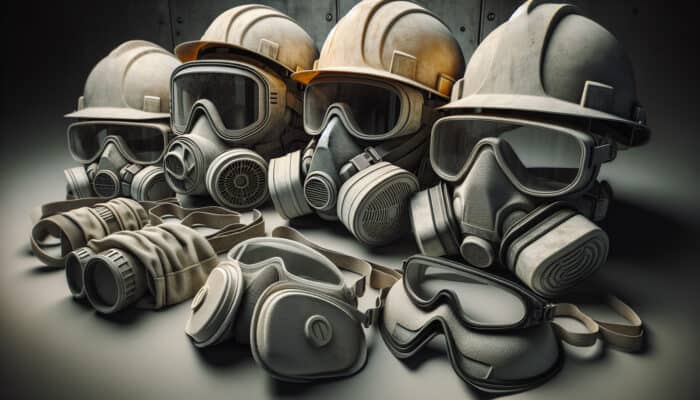
Respiratory protection devices, encompassing various types of masks and respirators, are vital for safeguarding workers from inhaling harmful dust particles during clearance tasks. These devices are expertly crafted to filter out dangerous particulate matter, supplying clean air to the user. There are several varieties of respiratory devices available, including disposable masks, reusable respirators, and powered air-purifying respirators (PAPRs), each catering to different operational requirements.
The selection of respiratory protection is influenced by multiple factors, including the level of dust exposure, the nature of the dust being managed, and the duration of exposure. Disposable masks are generally suitable for low dust exposure environments, while more advanced respirators are required for tasks involving high concentrations of toxic dust, such as asbestos or silica.
Training on the correct use and maintenance of respiratory protection devices is essential, as improper usage can drastically undermine their effectiveness. Regular fit testing is also critical to ensure that the equipment provides the required level of protection.
Exploring the Functionality of Dust Extraction Systems
Dust extraction systems are expertly designed to eliminate dust at its source, effectively preventing its dispersion and accumulation within the workspace. These systems can be integrated into machinery or operate independently, capturing dust particles directly from activities such as cutting, grinding, or demolition.
An efficient dust extraction system significantly enhances air quality, contributing to a safer work environment. High-efficiency particulate air (HEPA) filters are commonly used within these systems, as they can capture particles as tiny as 0.3 microns, ensuring that the majority of harmful dust is filtered out.
Regular maintenance and servicing of dust extraction systems are crucial for optimal performance. Clogged filters or malfunctioning components can greatly diminish efficiency, leading to heightened dust levels and increased health risks for workers.
How to Choose the Right Protective Clothing and Gear
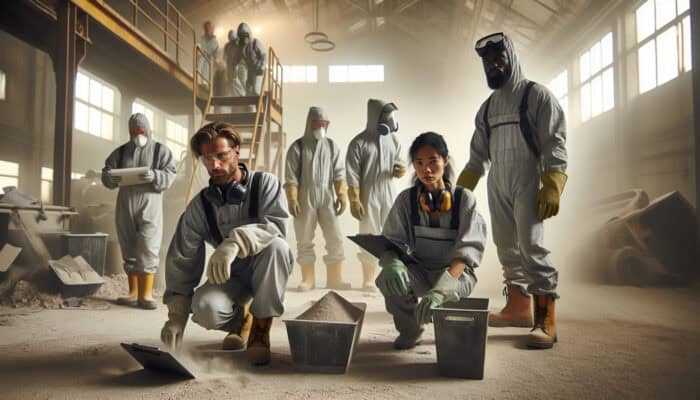
Protective clothing and gear, including coveralls, gloves, and goggles, are essential for shielding workers from dust exposure and associated hazards during clearance jobs. These garments are specially designed to resist dust infiltration and prevent skin contact with hazardous substances.
When selecting protective clothing, various factors need to be evaluated, including the type of dust, duration of exposure, and the specific tasks being performed. Lightweight, breathable coveralls may suffice for less hazardous work, whereas more robust, sealed suits may be required for tasks involving toxic materials.
In addition to clothing, it is crucial for workers to be equipped with supplementary protective gear, such as gloves to safeguard their hands from irritation and goggles to protect their eyes from dust particles. Regular inspections of equipment are necessary to ensure they remain in excellent condition and provide the required level of protection.
Effective Strategies for Selecting the Right Dust Protection Tools
Assessing Job-Specific Needs for Dust Protection
The process of selecting the most suitable dust protection tools begins with a thorough evaluation of job-specific needs. Each clearance job presents its own unique challenges and risks, making it essential to consider several factors before making a selection.
Key considerations include:
- The type of dust and its associated health risks
- The duration and nature of the clearance work
- The proximity of workers to dust-generating activities
- Environmental conditions (e.g., indoor versus outdoor work)
- Existing safety measures currently in place
- Budget constraints and available resources
- Compliance with relevant regulations
- Comfort and ease of use for workers
By systematically analysing these elements, employers can select the most appropriate dust protection tools that provide optimal safety and efficiency for their specific clearance tasks.
Comparing Various Brands and Models of Dust Protection Equipment
When selecting dust protection equipment, it is crucial to conduct thorough research and compare different brands and models to identify the most suitable options for your clearance job requirements. The market offers a diverse range of products, each with varying levels of effectiveness, comfort, and durability.
Start by identifying reputable brands known for producing high-quality dust protection tools. Reading user reviews and testimonials can provide invaluable insights into the reliability and performance of various products. Additionally, seeking recommendations from industry colleagues who have experience with specific brands can be beneficial.
It is also important to evaluate the specifications of each model, including filtration efficiency, comfort features, and ease of use. Some models may include advanced features, such as adjustable straps, moisture-wicking fabrics, or integrated ventilation systems, enhancing the overall user experience.
Ultimately, the goal is to select dust protection tools that not only meet safety standards but also offer a comfortable fit for extended use, ensuring that workers can perform their tasks efficiently without compromising their health.
Considering Budget Constraints in Dust Protection Tool Selection
Striking a balance between the cost of dust protection tools and their effectiveness and durability is essential for achieving a cost-effective solution for clearance jobs. While opting for the cheapest options may be tempting, investing in high-quality equipment often results in better long-term outcomes due to enhanced safety and reduced health risks.
When determining your budget, consider the potential financial implications of inadequate protection, such as increased healthcare costs for workers, potential fines for non-compliance with health regulations, and the negative impact on productivity due to health-related issues.
Evaluate the total cost of ownership, which includes the initial purchase price, maintenance expenses, and replacement intervals. Some premium brands may offer warranties or guarantees that further enhance their value. It is vital to view the procurement of dust protection tools as an investment in worker safety and overall operational efficiency.
Ensuring Compatibility of Dust Protection Tools with Existing Equipment
Ensuring that dust protection tools are compatible with existing equipment and job site conditions maximises both efficiency and effectiveness. For example, respiratory protection devices must fit correctly with other personal protective equipment (PPE), such as helmets or goggles, to ensure a complete seal and adequate protection.
Before purchasing, verify that the tools can connect seamlessly with machinery used during the clearance job. Dust extraction systems should easily integrate with tools like saws, grinders, or demolition equipment to capture dust at the source.
Job site conditions also significantly influence compatibility. For instance, when working in confined spaces, lightweight and compact dust protection tools may be necessary. Conducting a thorough assessment of the work environment and existing equipment will assist in selecting the most appropriate dust protection tools for the task.
Recognising Safety and Compliance Standards for Dust Protection Tools
Selecting dust protection tools that meet or exceed industry safety standards and regulatory compliance requirements is vital in clearance jobs. The UK has established several health and safety regulations that dictate minimum standards for dust protection tools, ensuring that workers are adequately safeguarded.
It is crucial to pay attention to certifications, such as those granted by the British Standards Institution (BSI) or the European Union (CE marking), which indicate that a product has undergone rigorous testing to meet safety criteria. Furthermore, tools should align with COSHH regulations, ensuring that all potential health risks are adequately addressed.
Employers must stay informed about evolving regulations and standards, as non-compliance can lead to severe legal and financial repercussions. Regular training and updates for workers on the importance of utilising compliant dust protection tools are vital for fostering a culture of safety and adherence to regulations.
Expert Recommendations for Implementing Effective Dust Protection in Clearance Jobs
Optimising Best Practices for Dust Control Implementation
The successful implementation of effective dust control measures requires adherence to best practices to ensure safety and efficiency. Initiate the process with a comprehensive risk assessment to identify potential dust-generating activities and sources of exposure.
Regular training sessions for workers on the importance of using dust protection tools and adhering to safety protocols are crucial. For example, companies in the construction sector have effectively adopted a ‘clean as you go’ philosophy, proactively managing dust during work processes rather than simply reacting to dust accumulation.
Additional best practices include utilising water sprays to suppress dust during cutting operations, ensuring that dust extraction systems are operational and well-maintained, and fostering a safety culture where workers feel empowered to report unsafe conditions or practices. Real-world examples, such as construction projects in urban settings, highlight the effectiveness of these strategies in maintaining compliance and ensuring worker safety.
Current Trends in Dust Protection Technology Innovations
The field of dust protection technology is continually advancing, with innovations aimed at enhancing worker safety and efficiency in clearance jobs. Some of the latest developments include smart respiratory protection devices equipped with sensors that monitor air quality, providing real-time feedback to users about dust levels.
Moreover, advancements in materials science have led to the creation of lighter, more breathable fabrics for protective clothing, improving comfort without sacrificing safety. Emerging technologies, such as automated dust suppression systems that activate sprays when dust generation begins, are also gaining popularity.
Expert analysis indicates that these innovations not only enhance safety but also streamline workflows, as workers experience less fatigue from cumbersome equipment. Staying informed about these developments is crucial for organisations looking to improve their dust protection strategies.
The Importance of Training and Education on Dust Protection for Workers
Providing comprehensive training and education regarding the use of dust protection tools is paramount for ensuring worker safety and compliance with regulations. Employers should implement extensive training programs that cover the correct usage, maintenance, and limitations of dust protection equipment.
Training sessions should include practical demonstrations and offer opportunities for workers to ask questions and clarify any uncertainties. Sharing information about the health risks associated with dust exposure and the significance of using personal protective equipment (PPE) fosters a culture of safety and awareness.
Additionally, regular refresher courses are advisable to keep employees updated on best practices and any changes in regulations or equipment. This investment in education not only ensures compliance but also cultivates a proactive approach to health and safety in the workplace.
Case Studies Showcasing Effective Dust Management Practices
Positive Outcomes in Residential Clearance Projects
Case studies of residential clearance projects demonstrate the effective implementation of dust protection tools in real-world scenarios. One notable instance involved a home renovation in London, where extensive demolition work was conducted. The project team executed a robust dust management plan that included the use of high-efficiency dust extraction systems and comprehensive PPE for all workers.
As a result, air quality measurements taken throughout the project indicated significantly lower dust levels compared to similar projects in the area. Homeowners reported minimal disruption and a cleaner living environment, emphasising the effectiveness of proactive dust management strategies in residential contexts.
Such case studies provide valuable insights for industry professionals, illustrating that investing in dust protection tools can lead to safer and more efficient clearance jobs.
Challenges and Solutions in Commercial Building Demolition Case Studies
Commercial building demolitions necessitate robust dust management strategies, as illustrated by case studies from large-scale projects throughout the UK. In one instance, a commercial demolition in Birmingham employed advanced dust suppression technologies, including automated misting systems and mobile dust extraction units.
The project not only adhered to regulatory requirements but also received commendation from local authorities for maintaining excellent air quality throughout the demolition process. Worker health was prioritised, with all personnel equipped with appropriate PPE and trained on the specific hazards associated with the project.
These successful implementations highlight the significance of comprehensive planning and integrating innovative dust management solutions in commercial demolition projects.
Addressing Challenges in Effective Dust Control Implementation
Implementing dust control measures can present various challenges, as illustrated in case studies of clearance jobs. A primary issue is the variability in dust types and exposure levels across different projects. For example, jobs involving hazardous materials like asbestos or lead necessitate specialised equipment and stringent protocols.
Another challenge is ensuring worker compliance with dust protection measures. Resistance to wearing PPE may arise from discomfort or the perception that it is unnecessary. To tackle this, organisations must cultivate a safety culture by emphasising the importance of health protection and offering incentives for compliance.
Logistical challenges, such as limited space on job sites, can hinder the effective implementation of dust extraction systems. Developing tailored solutions that account for unique site conditions is essential to overcoming these obstacles.
Case Studies on Industrial Site Remediation and Dust Management Techniques
Case studies of industrial site remediation further illustrate the effectiveness of advanced dust management techniques in challenging environments. In a notable remediation project in the Midlands, a former manufacturing site was converted for residential use. The project team faced significant dust-related risks due to the presence of contaminated soil and debris.
To mitigate these risks, the team employed a combination of dust extraction systems, water sprays, and stringent PPE protocols. Monitoring equipment was utilised to continuously assess dust levels, ensuring compliance with safety standards.
The successful completion of this project not only transformed the site but also established a benchmark for future industrial remediations, underscoring the critical role of effective dust management in protecting worker health and preserving environmental integrity.
Best Practices for Maintaining and Caring for Dust Protection Equipment
The Importance of Regular Cleaning and Inspection
Regular cleaning and inspection of dust protection equipment are vital for maintaining their effectiveness and longevity. Dust accumulation on respiratory devices or protective clothing can compromise their protective capabilities and pose health risks to users.
Employers should establish a routine maintenance schedule that includes cleaning protocols for all dust protection tools. For instance, reusable respirators should be disassembled and cleaned following the manufacturer’s guidelines to ensure all filters and components remain in optimal condition.
Furthermore, conducting regular inspections allows for early detection of wear and tear, ensuring that damaged equipment is replaced promptly. This proactive approach not only enhances safety but also prolongs the lifespan of the equipment, making it a cost-effective strategy.
Identifying Signs of Equipment Wear and Tear
Recognising the signs of wear and tear on dust protection equipment is crucial for ensuring timely replacement and ongoing safety. Common indicators include:
- Visible damage, such as tears or holes in protective clothing
- Reduced elasticity in straps or fastenings
- Clogged filters in respiratory devices
- Fading or discolouration of materials
- Odours or contamination on protective gear
- Difficulty achieving a proper fit with respirators
- Malfunctioning components in dust extraction systems
- Increased dust exposure levels despite equipment use
By remaining vigilant and monitoring the condition of equipment, employers can ensure that workers stay protected from dust hazards, maintaining compliance with safety regulations.
Optimal Storage Techniques for Dust Protection Tools
Proper storage of dust protection tools is essential for preserving their condition and ensuring they are ready for future clearance tasks. Equipment should be stored in a clean, dry environment, away from direct sunlight and contaminants that could undermine their integrity.
Respirators and masks should be kept in protective cases or bags to prevent damage and contamination. Protective clothing should be hung or folded neatly, avoiding creases that could weaken fabrics. Regular checks on stored equipment can help identify any issues before the next job.
By employing effective storage techniques, organisations can ensure that their dust protection tools remain in optimal condition, ready to provide the necessary protection when required.
Understanding Health and Safety Regulations for Clearance Jobs
Adhering to UK Health and Safety Laws
Compliance with UK health and safety laws is obligatory for all clearance jobs to ensure worker protection and legal adherence. The Health and Safety at Work Act 1974 mandates a duty of care on employers to provide a safe working environment, which includes managing dust exposure.
Employers are required to conduct risk assessments and implement appropriate control measures to mitigate risks associated with dust exposure. Regular training and information dissemination to employees about their rights and responsibilities are also necessary to maintain compliance.
Failure to comply with health and safety laws can result in severe penalties, including fines and legal action, highlighting the importance of prioritising safety in all clearance operations.
The Implications of Non-Compliance with Safety Regulations
Understanding the consequences of non-compliance with health and safety regulations in clearance jobs is crucial to avoid legal and financial repercussions. The Health and Safety Executive (HSE) enforces strict penalties for violations, which can include significant fines based on the severity of the offence and the extent of harm caused.
In severe instances, non-compliance may lead to imprisonment for responsible individuals, particularly if negligence results in serious injury or death. Additionally, companies may experience reputational damage, loss of contracts, and increased insurance premiums due to violations.
Proactive measures, such as regular audits and training, can help organisations avoid these pitfalls and foster a culture of compliance and safety in the workplace.
Training Requirements for Workers in Clearance Jobs
Specific training requirements must be fulfilled by workers involved in clearance jobs to ensure they are educated about dust protection and safety protocols. According to UK regulations, employers are required to provide adequate training that ensures workers understand the risks linked to dust exposure and know how to correctly use dust protection tools.
Training programmes should encompass not only the use of equipment but also the importance of maintaining a clean work environment and recognising potential hazards. Hands-on training is essential, allowing workers to become familiar with the equipment they will utilise on the job.
Regular refresher courses are also beneficial, ensuring that workers remain current with best practices and any changes in regulations or safety standards.
The Crucial Role of Personal Protective Equipment (PPE) in Clearance Jobs
Personal protective equipment (PPE) is indispensable in clearance jobs to protect workers from hazards such as dust and debris, thereby ensuring their health and safety. The proper use of PPE, including dust masks, respirators, gloves, and protective clothing, significantly reduces the risk of dust-related health issues.
Employers must conduct thorough assessments to identify the necessary PPE for specific tasks and ensure that it meets regulatory standards. Providing workers with training on the correct usage and maintenance of PPE reinforces the importance of safety and compliance.
Encouraging a culture of safety that prioritises the use of PPE is essential for maintaining worker health and well-being during clearance jobs. Regular inspections and audits can help ensure that PPE remains in good condition and is used consistently.
The Necessity of Regular Safety Inspections and Audits
Conducting regular safety inspections and audits in clearance jobs is crucial for maintaining compliance and promptly identifying potential safety issues. These inspections should encompass all aspects of the work environment, including the condition of dust protection tools, adherence to safety protocols, and the overall risk assessment of the job site.
Employers should establish a routine schedule for safety audits, involving both management and workers in the process to promote accountability and awareness. Feedback from workers can provide valuable insights into safety concerns and areas for improvement.
By prioritising regular inspections and audits, organisations can continually enhance their safety measures, ensuring the health and well-being of their workforce while remaining compliant with regulations.
Future Developments in Dust Protection for Clearance Jobs
Innovative Advancements in Dust Control Technology
Technological progress continues to enhance dust control methods, offering new solutions for safety in clearance jobs. Innovations in sensor technology enable real-time monitoring of dust levels, facilitating proactive interventions to mitigate exposure.
The integration of artificial intelligence (AI) is also emerging, with smart dust control systems capable of adjusting dust suppression measures based on environmental conditions and activity levels. These advancements not only improve safety but also increase operational efficiency, reducing the risk of health issues for workers.
Embracing these technological innovations is essential for organisations seeking to remain at the forefront of dust protection, ensuring compliance with regulations while prioritising worker safety.
Emerging Materials Enhancing Dust Protection
Exploring new materials that have the potential to revolutionise dust protection in clearance jobs is vital for improving safety and efficiency. Innovations in nanotechnology have led to the creation of ultra-lightweight, breathable fabrics with enhanced dust-repelling properties, providing superior comfort without compromising protection.
Advanced composite materials are also being utilised to create durable, lightweight protective gear that offers excellent defence against dust and other hazardous substances. These materials can provide increased flexibility and mobility, facilitating easier movement for workers during clearance tasks.
By adopting these emerging materials, companies can fortify their dust protection strategies, ensuring that workers remain safe and comfortable during clearance operations.
Prioritising Sustainability in Dust Protection Practices
Considering the sustainability and environmental impact of dust protection tools and practices in clearance jobs is increasingly significant. Many organisations are now prioritising eco-friendly materials in their dust protection equipment, thereby reducing their carbon footprint and promoting sustainability within the industry.
Furthermore, implementing dust management strategies that incorporate sustainable practices, such as using biodegradable dust suppression agents or recycling protective gear after its lifecycle, contributes to overall environmental conservation.
This shift towards sustainability not only meets regulatory expectations but also resonates with consumers and stakeholders who value corporate responsibility. As the industry evolves, focusing on sustainable dust protection solutions will become crucial for long-term success.
Frequently Asked Questions About Dust Protection Tools and Strategies
What are dust protection tools?
Dust protection tools are equipment designed to minimise dust exposure during clearance work, thereby enhancing safety and efficiency for workers.
Why is dust control important in clearance jobs?
Effective dust control plays a critical role in reducing health risks associated with dust exposure, improving air quality, and creating a safer working environment during clearance operations.
What types of respiratory protection devices are available?
Common respiratory protection devices include disposable masks, reusable respirators, and powered air-purifying respirators (PAPRs) designed to filter harmful dust particles.
How can I choose the right dust protection tools?
To select the appropriate dust protection tools, assess job-specific needs, compare various brands and models, consider budget constraints, and ensure compliance with safety standards.
What are the best practices for implementing dust control?
Key best practices involve conducting thorough risk assessments, providing training to workers, and utilising dust extraction systems and suppression methods throughout the clearance job.
What are the latest innovations in dust protection technology?
Recent innovations encompass smart respiratory devices with real-time monitoring, advanced dust extraction systems, and high-performance materials for protective clothing that enhance comfort and safety.
How often should dust protection equipment be inspected?
Dust protection equipment should be inspected regularly as part of a maintenance schedule to ensure its effectiveness and identify any signs of wear and tear.
What should I do if my dust protection equipment shows signs of wear?
Promptly replace any damaged or worn dust protection equipment to ensure continued safety and compliance with health regulations.
What are the health and safety regulations for clearance jobs in the UK?
UK regulations, including the Health and Safety at Work Act and COSHH, mandate specific measures for controlling dust exposure and ensuring worker safety in clearance jobs.
How can I promote a culture of safety regarding dust protection in my organisation?
Encourage open communication about safety concerns, provide regular training and updates on best practices, and lead by example to foster a culture that prioritises health and safety.
Connect with us on Facebook!
The Article: Dust Protection Tools for Clearance Jobs: Essential Guide Was First Found At https://birminghamhouseclearance.com
The Article Dust Protection Tools: Your Essential Guide for Clearance Jobs Was Found On https://limitsofstrategy.com
References:
Dust Protection Tools: Your Essential Guide for Clearance Jobs