
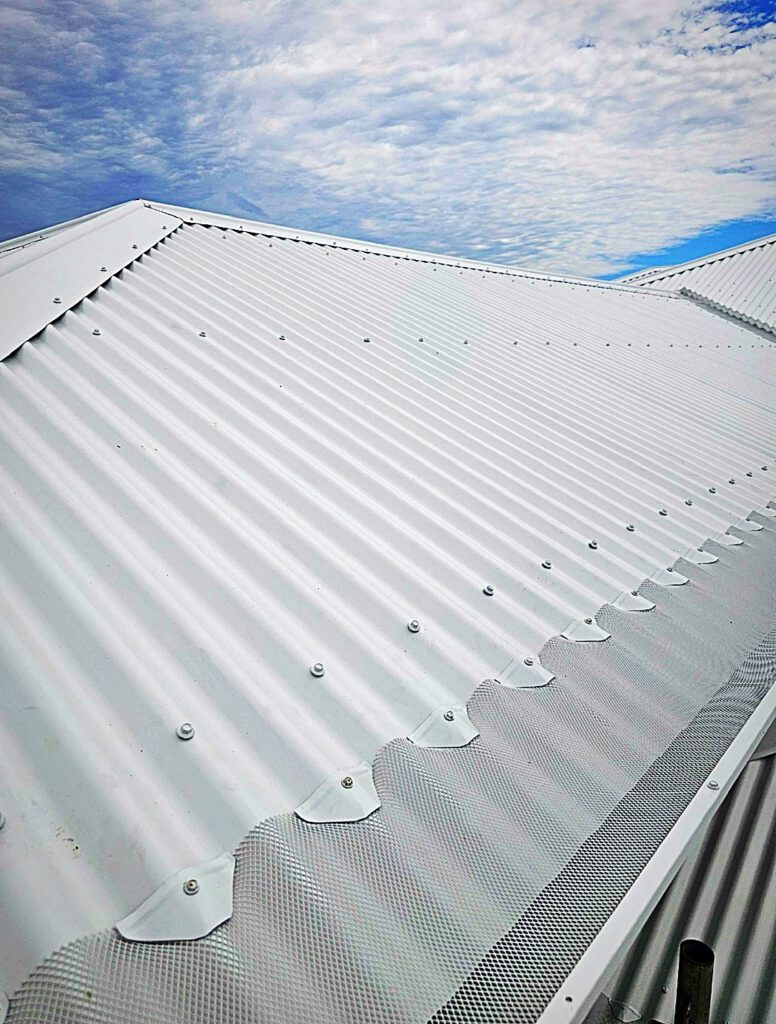
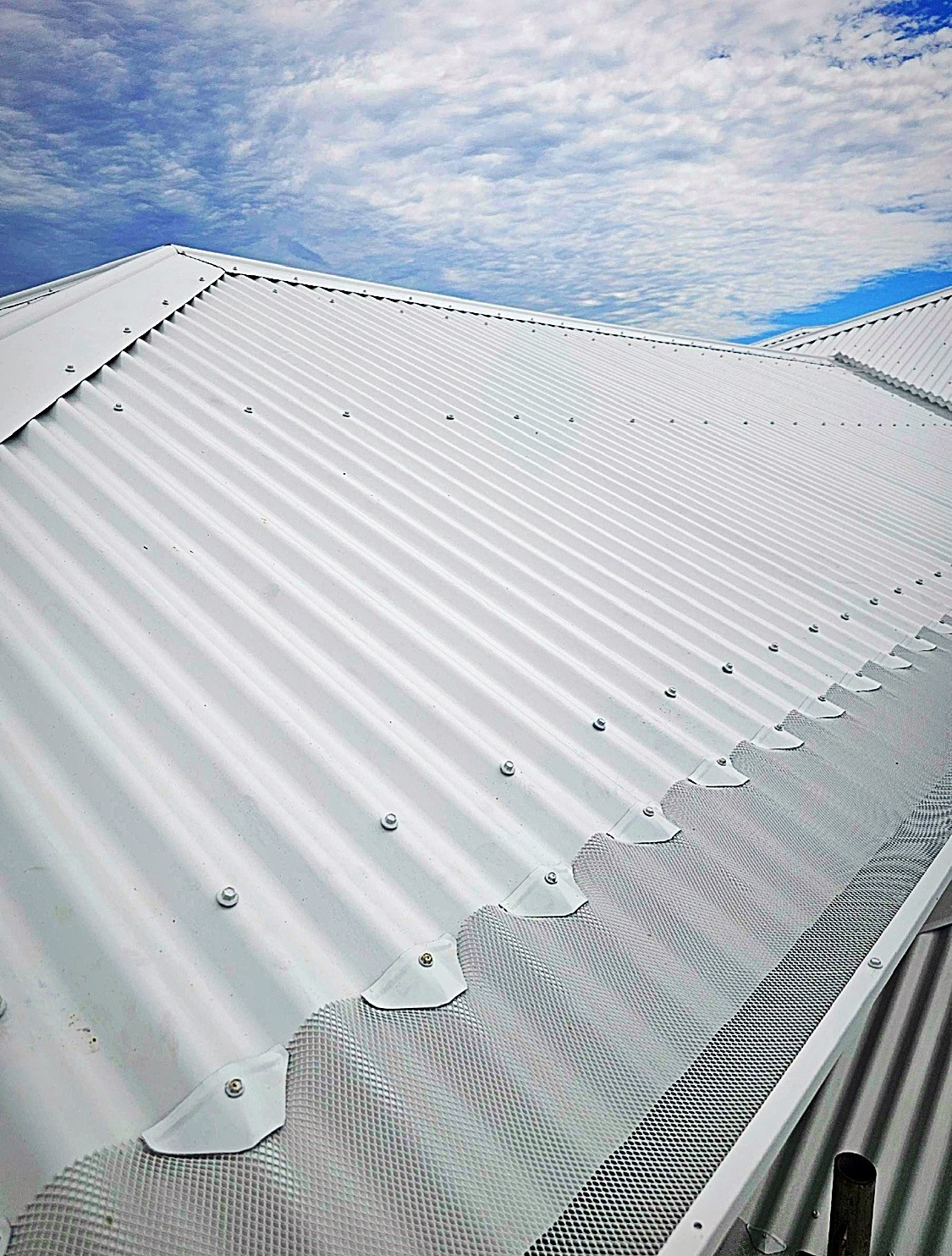
Choosing the right Colorbond roof profile requires careful consideration of three key aspects: the pitch of your roof, the visual style you wish to achieve, and the method for securing the roofing sheets. In most homes across the NSW Central Coast, the primary options include Custom Orb, Trimdek, and Klip-Lok. At AWS Roofing, we specialise in installing all three profiles using either Colorbond or Zincalume steel. This detailed guide provides a thorough comparison to help you make an informed choice about your new roofing system.
Many homeowners begin exploring roof profiles after years of dealing with an outdated roofing system. Persistent leaks or the deterioration of existing tiles or sheets often signal that it’s time for a change. While repairs can be effective to a degree, they cannot substitute for a complete roof replacement. The profile you choose will play a crucial role in determining both the aesthetic and functionality of your roof for many years to come.
Exploring the Significance and Advantages of Colorbond Roof Profiles
A Colorbond roof profile defines the specific shape into which the steel sheet is rolled. Colorbond is the brand name for both the steel and its protective coloured coating. The profile encompasses the design of ribs or curves formed in the material. Lysaght, the manufacturer behind Custom Orb, Trimdek, and Klip-Lok, is well-known for its expertise in shaping Colorbond steel.
The profile directly influences how flat your roof can be. Colorbond specifies that the roofing material’s profile determines the minimum pitch required for installation. Typically, a corrugated profile requires a minimum pitch of 5 degrees, while some designs can function effectively at pitches as low as 1 degree. Understanding this crucial information may help eliminate certain profiles for low or skillion roofs, even before considering aesthetic preferences.
In-Depth Comparison of Custom Orb, Trimdek, and Klip-Lok Roof Profiles
The table below presents detailed information sourced from Lysaght’s profile pages for the standard versions of each sheet. The cover width indicates the area each sheet covers once installed. Rib height refers to the height of the ribs, while the minimum roof slope denotes the lowest pitch recommended by Lysaght for each sheet.
| Profile | Aesthetic | Cover Width | Rib Height | Minimum Roof Slope | Sheet Securing Method |
|---|---|---|---|---|---|
| Custom Orb | Classic corrugated ripple | 762mm | 16mm | 5 degrees | Screws pass through the sheet |
| Trimdek | Bold trapezoidal ribs with fluted pans | 762mm | 29mm | 2 degrees | Screws pass through the sheet |
| Klip-Lok 406 | Bold ribs rising from wide, fluted pans | 406mm | 41mm | 1 degree | Hidden clips, no exposed screws |
| Klip-Lok 700 Hi-Strength | Bold ribs rising from wide, fluted pans | 700mm | 43mm | 1 degree (subject to design provisions being met) | Hidden clips, no exposed screws |
Lysaght offers various versions of Klip-Lok, with availability varying by state. Both Klip-Lok 406 and Klip-Lok 700 Hi-Strength are available in New South Wales. When comparing quotes, ensure that you clarify which version of each profile is included in the quotation.
Custom Orb Roof: What Makes This Classic Corrugated Design a Timeless Favourite?
Certainly. Lysaght refers to Custom Orb as the original corrugated steel profile, a trusted choice for Australians for decades. Its versatility makes it suitable for various architectural styles, from heritage homes to modern buildings, and it’s the design most people picture when thinking of a Colorbond roof.
Custom Orb can be installed flat or in a sprung curve, making it ideal for curved roof sections. For bullnose curves, refer to the Custom Blue Orb guide, as Custom Orb is not intended for machine curving. Its low ripple height of 16mm provides a soft and uniform appearance from the street. it has a key limitation: with a minimum roof slope of 5 degrees, Custom Orb is unsuitable for very low skillion roofs or nearly flat extensions.
If your roof has a reasonable pitch and you prefer a classic look, Custom Orb is an excellent selection. It integrates well into neighbourhoods where the new roof should complement existing older corrugated roofs.
Trimdek Roof: Why Is It the Go-To Choice for Contemporary Installations?
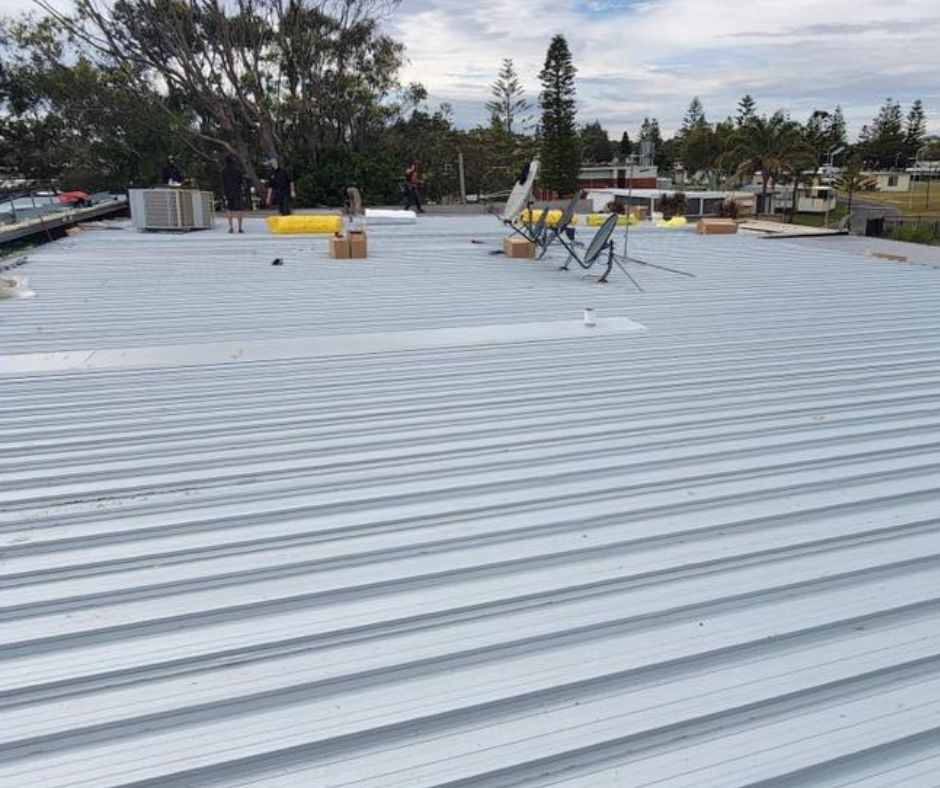
Trimdek is favoured for its compatibility with low pitches and its sleek, modern aesthetic. Lysaght describes Trimdek as having bold trapezoidal ribs complemented by subtle fluting in the pans. It can accommodate roof pitches as low as 2 degrees, making it ideal for skillion roofs, extensions, and pergola roofs where Custom Orb may not be appropriate.
Trimdek boasts impressive spanning capabilities, allowing for wider support spacings, which can reduce the amount of framing required. With ribs standing at 29mm, nearly double the height of Custom Orb, Trimdek offers a more prominent, striped appearance. As highlighted on our metal roofing page, Trimdek is available in extended lengths, allowing a single sheet to run from the ridge to the gutter without the need for end laps.
This profile is an excellent option for modern homes, low-pitched roofs, and outdoor structures. For example, in a recent pergola roof project in Gosford, AWS Roofing used 0.48 Trimdek in Colorbond Ironstone, paired with two sheets of tinted polycarbonate to let natural light filter through. More details about this project can be found in our guide to pergola and verandah roof replacement on the Central Coast.
Klip-Lok Roofing: What Are the Benefits of Using Hidden Clips?
Klip-Lok is ideal for very low-pitched roofs and for homeowners who prefer not to see any visible screws on the surface. Lysaght states that Klip-Lok employs a concealed clip system that ensures optimal watertightness. This profile is suitable for nearly flat roof planes, making it perfect for both large commercial buildings and low-pitched residential roofs. The tall ribs and wide pans create a striking architectural look.
Since the clips are situated beneath the sheet, there are no visible screw heads on the roof’s surface. Klip-Lok 406 and Klip-Lok 700 Hi-Strength have a minimum roof slope of 1 degree, the lowest among the three profiles. Careful planning is essential for elements that penetrate the roof, such as whirlybirds or solar brackets. Our post on Klip-Lok installation best practices provides further insights on this topic.
Klip-Lok is also a preferred option for commercial structures, where expansive, low roofs are common. If you’re thinking about a new roof for a shed, workshop, or business, our commercial roofing page outlines how AWS Roofing efficiently handles larger projects.
What Steps Should You Take to Select the Right Colorbond Roof Profile for Your Property?
Start by evaluating the pitch of your roof, then consider the aesthetic you wish to achieve. The pitch determines which profiles are feasible, while the architectural style of your home influences which profile will be most visually appealing. Here are some questions to help narrow down your options:
- Roof pitch: A pitch below 5 degrees eliminates Custom Orb, while a pitch below 2 degrees leaves Klip-Lok as the only viable option.
- Home style: Traditional or heritage homes often pair well with Custom Orb, whereas modern designs typically favour Trimdek or Klip-Lok.
- Visible screws: If you prefer no exposed screws, Klip-Lok, with its concealed clips, is the best choice.
- Curved sections: For roofs with curves, Custom Orb can be sprung to accommodate them.
- Consistency with other roofs: A new verandah or extension roof generally looks its best when it matches the profile of the main roof.
- Colour selection: Lysaght indicates that the full range of Colorbond colours is available for both Custom Orb and Trimdek, while colour availability for Klip-Lok may vary based on profile and location.
When seeking a quote, specify the profile and the Colorbond or Zincalume product by name. This helps streamline the process of accurately comparing quotes, as similar-sounding roofs on paper may utilise different sheets. AWS Roofing provides free quotes that clearly outline the scope of work in writing, ensuring transparency on what is included before any work commences.
Do Colorbond Roof Profiles Vary for Coastal Properties?
The profile itself remains unchanged, but the underlying steel may differ based on your proximity to the ocean. Colorbond offers clear guidelines for coastal properties. If your home is situated more than 200 metres from breaking surf, standard Colorbond steel is recommended. For locations between 100 and 200 metres from breaking surf, Colorbond Ultra steel is advised, measured from the high water mark.
Lysaght includes the Ultra range alongside Custom Orb, Trimdek, and Klip-Lok. Colorbond stresses that actual performance is influenced by local conditions, including prevailing winds and areas that may not receive rainfall. For homes located closer than 100 metres to the surf, Colorbond suggests consulting its technical bulletin on steel roofing selection. This information is particularly relevant on the Central Coast, where many homes are positioned near the beaches. Our guide to selecting the best roofing option for Central Coast properties examines coastal-grade steel and local conditions on a suburb-by-suburb basis.
How to Determine the Right Profile When Replacing an Old Roof
A re-roofing project presents a perfect opportunity to select a new profile, as the old roof is completely removed. If you’re transitioning from concrete or terracotta tiles, you are not limited by an existing sheet, allowing for any profile that suits the pitch to be a viable option. Our tile to metal roof conversion page elaborates on how to replace a tile roof with a new Colorbond roof.
For many homeowners, re-roofing follows years of dealing with leaks. The same issues may recur, or the old sheets could be rusting through. At this point, focus shifts from the old roof to the new one, with the profile being one of the first decisions to make. You can review the complete process of a full roof replacement, from removing the old roof to installing new sheets, sarking, and flashings, on our roof replacement page.
Choosing a colour is another significant decision. Colorbond presents 22 core colours, including six with a matte finish. Remember that colours viewed on a screen are only approximations, so it’s best to view a physical sample of your chosen profile. Explore the range on our Colorbond colours page, or visit our Charmhaven showroom at 3/3 O’Hart Cl, Charmhaven NSW 2263 to see Colorbond colours in person.
Frequently Asked Questions About Colorbond Roof Profiles
Which Colorbond roof profile is best suited for low pitched roofs?
Klip-Lok and Trimdek are the top recommendations for low pitched roofs. Lysaght specifies that Klip-Lok 406 and Klip-Lok 700 Hi-Strength have a minimum roof slope of 1 degree, while Trimdek accommodates pitches down to 2 degrees. Custom Orb requires at least a 5-degree pitch, making it unsuitable for very flat skillion roofs.
What differentiates Trimdek from Custom Orb?
Custom Orb features the classic corrugated ripple design, with a 16mm rib and a minimum roof slope of 5 degrees. Trimdek showcases bold trapezoidal ribs that are 29mm high and can be installed at pitches down to 2 degrees. Both profiles cover 762mm per sheet. Custom Orb is ideal for traditional homes and curved structures, while Trimdek is better suited for contemporary homes and lower pitches.
Are there visible screws on Klip-Lok roofs?
No, Klip-Lok sheets are secured using concealed clips positioned beneath the surface, thereby eliminating visible screw heads. According to Lysaght, this clip system guarantees exceptional watertightness. Installation guides for Custom Orb and Trimdek indicate that screws pass through the sheeting into the supports.
Should I consider Colorbond Ultra if I live near the beach?
It depends on your distance from breaking surf. Colorbond advises using standard Colorbond steel for homes situated more than 200 metres from breaking surf, and Colorbond Ultra steel for those located between 100 and 200 metres. For residences closer than that, Colorbond recommends consulting its technical bulletin on steel roofing selection.
Are all Colorbond colours available for every profile?
Not necessarily. Lysaght states that the full range of Colorbond colours is accessible for popular profiles like Custom Orb and Trimdek. For Klip-Lok, colour availability may vary based on profile and location. It is advisable to verify the colour and profile together when reviewing your quote.
Request Your Free Quote for a New Colorbond Roof Today
If you are considering Custom Orb, Trimdek, or Klip-Lok for your new roof, AWS Roofing is here to help you choose the profile that best suits your roof pitch, home design, and location. AWS Roofing is licensed (licence 247575C), fully insured, and WorkCover accredited, with all work guaranteed in writing. If you have questions about a new roof, we are ready to assist. Contact us for a free, no-obligation quote.
Original Article First Published At: Colorbond Roof Profiles for a New Roof: Custom Orb, Trimdek and Klip-Lok Compared by AWS Roofing
The Article: Colorbond Roof Profiles: Comparing Custom Orb, Trimdek, and Klip-Lok first appeared on https://writebuff.com
The post Colourbond Roof Profiles: A Comparison of Custom Orb, Trimdek, and Klip-Lok appeared first on Limits Of Strategy.
References:
Colourbond Roof Profiles: A Comparison of Custom Orb, Trimdek, and Klip-Lok
Colourbond Roof Profiles: Custom Orb, Trimdek, and Klip-Lok Comparison