

How to Select the Ideal Puzzle Toys for Your Cat
Identifying Your Cat’s Unique Play Style
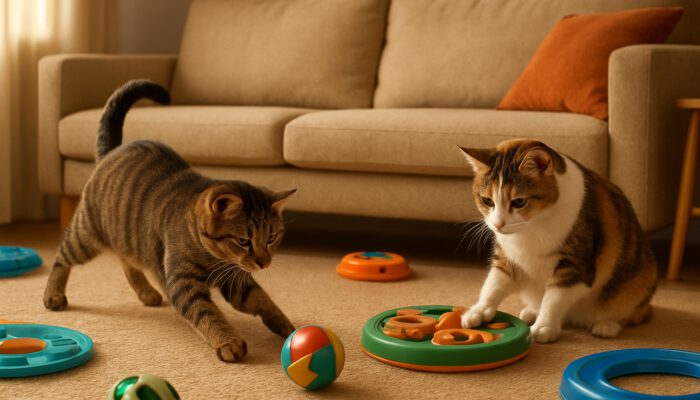
To identify the best puzzle toys for your cat, pay close attention to their behaviour and play style. Each feline has distinct preferences; while some enjoy chasing toys, others might gravitate towards those that challenge their problem-solving skills. Experimenting with a range of toys can help owners pinpoint the puzzles that truly engage their pets.
In homes with multiple cats, it is essential to recognise that each cat may approach puzzles differently. An active cat may prefer toys that encourage movement, whereas a more laid-back feline may find enjoyment in simpler, stationary puzzles. Understanding these individual play styles allows for a more personalised playtime experience that increases both enjoyment and interaction.
Variety in Puzzle Toy Designs
The market offers a vast array of interactive puzzle toys, ranging from balls with hidden compartments to sliding panels that challenge critical thinking. These creative designs promote skill development through exploration and experimentation, appealing to a wide range of pet owners. Each puzzle type provides a unique way for cats to exercise both their minds and bodies.
For example, some toys reward cats with treats upon successful completion, while others require them to manipulate various objects to reveal hidden rewards. This diversity keeps cats engaged and entertained, allowing them to experience different interaction styles with their toys. Regularly changing the puzzles can maintain a stimulating and enjoyable play environment.
Benefits of Choosing Interactive Puzzle Toys
- Enhances mental stimulation and critical thinking skills.
- Reduces boredom and associated behavioural issues.
- Encourages physical activity, aiding in weight management.
- Promotes emotional well-being and lowers stress levels.
- Strengthens the bond between pets and their owners through shared activities.
It is important to choose toys that match the size and complexity appropriate for your cats’ energy levels during daily playtime. Puzzles that present a suitable challenge enable cats to engage meaningfully, avoiding feelings of frustration or overwhelm.
Prioritising Safety in Toy Materials
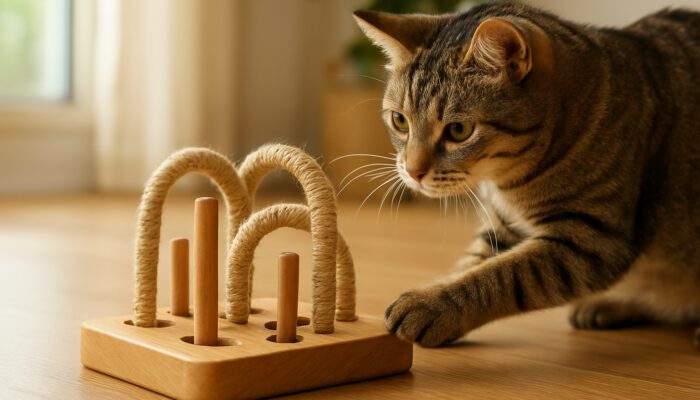
Pet owners should carefully assess the materials used in puzzle toys to ensure they are durable, non-toxic, and free from small parts that could present choking hazards. Safety is paramount, as curious cats often interact energetically with their toys.
When evaluating toys, look for certifications that confirm compliance with safety standards. Durability is also key; toys constructed from high-quality plastics or natural fibres tend to be more resilient and safer for everyday use. Regular inspections for signs of wear and tear can help maintain safety during playtime.
Why is Mental Stimulation Essential for Cats?
Enhancing Cognitive Function
Regular interaction with interactive puzzle toys boosts cats’ focus and learning capabilities. Engaging with these toys allows cats to confront challenges akin to their natural hunting instincts, providing vital mental stimulation in a controlled environment. This cognitive engagement plays a crucial role in their overall development and happiness.
As cats become proficient at solving puzzles, they enhance their problem-solving skills, which can positively affect their behaviour in various contexts. For instance, a cat that learns to navigate a puzzle successfully may develop confidence and curiosity, exploring their surroundings with newfound enthusiasm.
Reducing Undesirable Behaviours
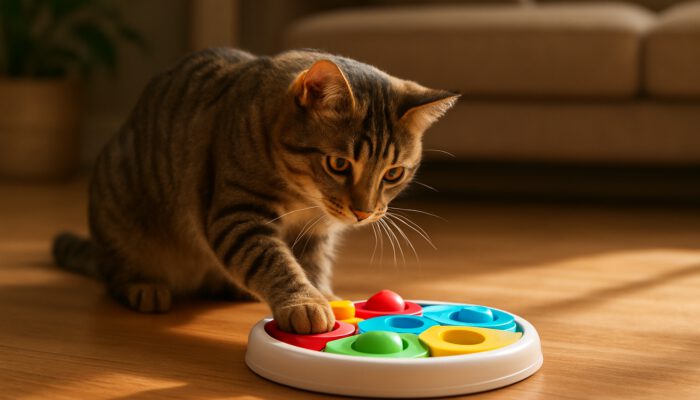
Incorporating interactive puzzle toys can significantly curtail unwanted behaviours, such as excessive vocalisation or scratching, by providing constructive outlets for their energy. Boredom often leads to undesirable actions, and these toys serve as effective distractions that keep cats engaged and entertained for longer periods indoors.
By redirecting their energy into play, cats are less likely to develop destructive habits. This not only benefits the cat but also creates a more peaceful home environment for their human companions. Owners will notice positive behavioural changes as their pets become more focused and engaged.
Enhancing Overall Well-Being
Incorporating regular play sessions into a cat’s routine contributes to improved mood and physical health. Continuous mental stimulation through puzzle toys can lead to happier, healthier cats, exhibiting fewer signs of stress and anxiety.
When cats receive adequate mental engagement, they are also less prone to obesity-related health issues. By integrating puzzle toys into their daily routines, owners can help ensure their cats remain active and maintain a healthy weight, ultimately supporting their overall well-being.
Encouraging Active Play
Toys that promote mental engagement also stimulate physical activity, which is vital for weight management and cardiovascular health. By simulating hunting scenarios, these toys encourage cats to move and stay agile throughout the day.
Active play is particularly important for indoor cats, who may have fewer opportunities for exercise compared to their outdoor peers. Providing a variety of puzzles that encourage movement helps ensure that cats stay fit and healthy, minimising the risk of obesity and related health issues.
Supporting Emotional Stability
Interactive puzzles and games present mental challenges that help mitigate stress and anxiety in cats. Engaging in problem-solving activities fosters a sense of accomplishment and security, contributing to their emotional well-being and happiness in domestic settings.
When cats successfully complete puzzles, they experience a boost in confidence, positively influencing their overall mood. This emotional stability is crucial for nurturing a strong bond between cats and their owners, creating a harmonious living environment.
How Do Interactive Toys Effectively Address Boredom?
Examining Engagement Mechanisms
Interactive puzzle toys reward successful actions with treats, motivating cats to engage consistently and maintaining high interest during multiple play sessions each day. This reward system reinforces positive behaviours, making cats eager to interact with their toys.
By providing immediate gratification through treats, these toys create an engaging play environment that captures a cat’s attention. The anticipation of rewards keeps cats returning to puzzles, ensuring they remain mentally stimulated and actively involved over time.
What Features Make Toys Interactive?
Elements such as moving parts or sound effects create captivating experiences that hold a cat’s attention much longer than traditional toys. Interactive features stimulate a cat’s natural curiosity and hunting instincts, leading to more fulfilling play sessions that keep them entertained and engaged.
For instance, toys that produce sounds or demonstrate unpredictable movements can mimic prey behaviour, prompting cats to chase and pounce. This level of interaction enhances the overall play experience, making it enjoyable for both the cat and its owner.
Monitoring Progress and Adjusting Challenges
Keeping track of how quickly cats master different puzzles allows owners to adjust the difficulty levels accordingly, ensuring ongoing mental development and satisfaction. Owners can observe their pets’ progress by noting how long it takes cats to solve each puzzle and modifying challenges as needed.
As cats become more skilled at puzzles, owners can introduce more complex designs to maintain their interest. This ongoing adjustment ensures that cats stay mentally stimulated and challenged, preventing boredom while fostering lifelong learning.
Expert Perspectives on Interactive Puzzle Toys for Cats
Assessing Toy Effectiveness
Veterinary research indicates that gradually introducing puzzles can lead to considerable improvements in feline behaviour patterns. For example, cats that engage with <a href=”https://elgatoencasa.com/best-toys-for-persian-cats-top-picks-for-happy-pets/”>interactive toys</a> show enhanced focus and reduced anxiety levels over time. This evidence highlights the necessity of mental stimulation for a cat’s overall health.
Experts recommend introducing puzzles gradually, allowing cats sufficient time to adapt to new challenges. This careful approach maximises the toys’ effectiveness and helps build confidence as cats learn to navigate varying complexities.
Choosing Quality Products
When evaluating puzzle toys, pet owners should prioritise durability and safety features. Seek products made from high-quality materials that can withstand regular use without deterioration. Verify safety certifications to ensure compliance with industry standards.
Practical steps for assessing these toys include reading reviews from fellow pet owners, consulting with veterinarians, and inspecting the toy’s design for potential hazards. Investing in quality products guarantees long-lasting value and safety for pets during playtime.
Addressing Common User Experiences
Challenges during the initial introduction of interactive puzzle toys may include a cat’s reluctance to engage or difficulty in solving the puzzles. To navigate these hurdles, owners can begin with simpler designs and gradually increase complexity as their cats gain confidence.
Expert advice stresses the importance of patience and positive reinforcement during introductions. By rewarding cats for interacting with their toys, owners can encourage exploration and problem-solving, ultimately leading to a more fulfilling play experience.
What Features Enhance Engagement in Toys?
Incorporating Dynamic Movement
Toys with dynamic components stimulate chasing and pouncing behaviours that resonate with a cat’s natural hunting instincts, providing prolonged entertainment. Toys that roll or move erratically can capture a cat’s attention, enhancing playtime excitement and interaction.
For example, toys that roll or showcase unpredictable movements can engage a cat’s predatory instincts, prompting chasing and physical interaction. This active play not only entertains cats but also supports their physical fitness and mental sharpness.
Implementing Reward Systems
Integrating treats into puzzle toys heightens motivation, making each play session more engaging and effective for learning new skills. Reward systems create a positive feedback loop that encourages cats to consistently engage with the toys.
As cats learn to link puzzle-solving with receiving treats, they become more invested in the play experience. This motivation drives them to explore various strategies for overcoming challenges, promoting their cognitive development and overall enjoyment.
Key Benefits of Interactive Puzzle Toys
- Encourages problem-solving and critical thinking skills.
- Stimulates physical activity through engaging play.
- Reduces stress and anxiety in cats.
- Supports healthy weight management through active participation.
- Delivers rewarding experiences that strengthen the bond between pet and owner.
Adjustable difficulty levels allow for customisation based on progress, ensuring continued interest without causing frustration. This adaptability is vital for keeping cats engaged over time, allowing them to advance their skills at their own pace.
Incorporating Auditory Stimuli
Adding elements that produce sounds mimicking natural prey or other intriguing noises can effectively capture a cat’s attention. Cats are inherently drawn to auditory stimuli, and toys that engage their senses can enhance their overall play experience.
For example, toys that create rustling sounds or emit chirping noises can simulate the sounds of prey, prompting cats to exhibit hunting behaviours. This sensory stimulation not only entertains cats but also contributes to their mental and emotional well-being.
Effective Strategies for Using Interactive Puzzle Toys with Bored Cats
Implementing Gradual Introductions
A successful transition from simple to complex puzzles builds confidence in cautious cats. Start with basic designs that allow cats to explore their abilities without feeling overwhelmed. Gradually introduce more challenging puzzles as they become more comfortable.
For instance, a cat that struggles with a complex puzzle may benefit from starting with a simpler version that still provides a rewarding experience. This gradual approach nurtures a sense of accomplishment and encourages ongoing engagement with puzzle toys.
Monitoring Play Session Durations
Timing play sessions to avoid overstimulation while maximising benefits is crucial during routine care practices. Short, frequent play sessions are generally more effective than longer ones, as they keep cats engaged without leading to fatigue.
Owners should observe their cats’ behaviours during play to determine when breaks are necessary. By monitoring engagement levels, owners can tailor playtime to their cats’ preferences, ensuring a positive experience that promotes mental stimulation and physical activity.
Integrating Puzzle Play with Other Activities
Incorporating puzzles into broader enrichment strategies can create comprehensive daily stimulation routines for cats. By blending <a href=”https://elgatoencasa.com/puzzle-apps-for-tablet-pet-play-engaging-ways-to-play/”>puzzle play</a> with other activities, such as interactive play with toys or outdoor exploration, owners can provide a well-rounded experience that satisfies their cats’ physical and mental needs.
For instance, alternating between puzzle play and interactive play with a wand toy can keep cats engaged and help prevent boredom. This variety ensures that cats receive diverse stimuli, promoting their overall well-being.
Choosing the Right Puzzle Types
Exploring different puzzle designs that cater to various cat personalities and skill levels ensures optimal engagement. Not every cat will respond to the same types of puzzles, so it’s essential to consider their unique traits when selecting toys.
For example, a playful and active cat may favour a puzzle that requires physical movement, while a more reserved cat might enjoy a quieter, stationary toy. Matching toys with a cat’s instincts and personality can enhance their play experience and reduce frustration.
Regularly Rotating Toys
To maintain novelty and avoid boredom, swapping out puzzle toys every few days introduces new challenges that keep cats mentally stimulated. This practice encourages ongoing exploration and problem-solving behaviours that are vital for their well-being in indoor environments.
By rotating toys, owners can keep their cats interested and excited about playtime. Regularly introducing new puzzles can rekindle interest and inspire cats to explore different strategies for solving challenges.
Are There Age-Specific Considerations for Puzzle Toys?
Choosing Toys for Kittens
Kittens benefit from simpler designs that enhance coordination without overwhelming their developing senses during early learning stages. Toys that are overly complex may lead to frustration, hindering their engagement and enjoyment.
Selecting age-appropriate puzzles enables kittens to explore their capabilities and build confidence as they learn. Simple toys that reward basic actions can nurture their natural curiosity and encourage healthy play habits from an early age.
Adjusting Toys for Senior Cats
Older cats may require easier access options to maintain their activity levels comfortably. As cats age, they may face mobility challenges or reduced energy, making it essential to choose puzzles that accommodate their needs and abilities.
Selecting puzzles that require less physical effort or can be enjoyed while lying down can help keep senior cats engaged. This consideration ensures they remain mentally stimulated without compromising their comfort or safety.
Benefits of Interactive Puzzle Toys Across All Age Groups
- Facilitates cognitive development at every life stage.
- Encourages physical activity tailored to age and capability.
- Reduces stress and anxiety in older cats.
- Promotes engagement and exploration for kittens.
- Fosters a sense of accomplishment as cats master challenges.
Regular evaluations help tailor selections to meet the evolving needs of cats as they grow, ensuring suitable challenges at each life stage. By considering a cat’s age and abilities, owners can create enriching experiences that promote lifelong engagement and well-being.
Best Practices for Cleaning and Storing Puzzle Toys
Maintaining Hygiene Standards
Regularly cleaning puzzle toy components prevents the accumulation of residues that could impact health, especially when toys are frequently used in shared spaces. Keeping puzzle toys sanitised is crucial for ensuring a safe and healthy play environment for cats.
Owners should follow the manufacturer’s cleaning instructions to maintain the integrity of the toys. Conducting routine inspections and cleaning of puzzle toys can help prevent the spread of germs, ensuring playtime remains enjoyable for both cats and their owners.
Organising Your Toy Collection
Implementing proper storage solutions keeps toys accessible while protecting them from damage, extending their lifespan with consistent use. Organising toys in a designated area can streamline playtime and facilitate regular rotation of options.
Using bins or shelves for toy storage can help reduce clutter, making it easier to locate and select the ideal puzzle for each play session. A well-organised collection promotes regular engagement and exploration.
Conducting Essential Safety Checks
Inspecting puzzles for wear and tear before each use is crucial to avoid potential hazards and ensure safe interactions. Regular safety checks are vital for maintaining the integrity of puzzle toys and ensuring they remain safe for cats.
Owners should look for signs of damage, such as frayed edges or broken parts, and replace any toys that show indications of wear. This proactive approach helps ensure that playtime remains a positive experience without risks to the cat’s safety.
Frequently Asked Questions
What are interactive puzzle toys for cats?
Interactive puzzle toys are designed to engage a cat’s mind and enhance problem-solving skills through play. They often include hidden treats or challenges that replicate natural hunting behaviours.
How do I choose the right puzzle toy for my cat?
Observe your cat’s play habits and preferences. Take into account their energy levels and personality when selecting toys, starting with simpler designs and progressing to more complex puzzles.
Can puzzle toys help reduce my cat’s boredom?
Absolutely, puzzle toys provide mental engagement and stimulation, alleviating boredom. They encourage cats to explore and interact, keeping them entertained and discouraging undesirable behaviours.
How often should I rotate my cat’s puzzle toys?
Rotating puzzle toys every few days can help maintain novelty and sustain your cat’s interest. This practice introduces fresh challenges and encourages ongoing exploration and problem-solving.
Are there specific puzzle toys designed for kittens?
Yes, kittens benefit from simpler designs that promote coordination and exploration without overwhelming their developing senses. Look for toys specifically created for young cats.
What materials are safe for puzzle toys?
Choose toys made from durable, non-toxic materials. Avoid toys with small components that could pose choking hazards, and ensure they meet safety standards for pet products.
How should I clean my cat’s puzzle toys?
Follow the manufacturer’s cleaning guidelines, which typically involve washing with mild soap and water. Regularly inspect and clean toys to avoid residue buildup and maintain hygiene.
Can senior cats use puzzle toys?
Yes, senior cats can benefit from puzzle toys, but it’s vital to choose designs that cater to their physical capabilities. Look for options that allow for easier access to ensure comfort during play.
How can I tell if my cat enjoys the puzzle toys?
Signs of enjoyment include active engagement, repeated interaction, and a relaxed demeanor during play. If your cat displays interest and excitement, they likely enjoy the puzzles.
What should I do if my cat seems frustrated with a puzzle toy?
If your cat appears frustrated, consider switching to a simpler puzzle or offering assistance. Gradually reintroducing more challenging toys can help build their confidence over time.
Stay updated with our latest news on our Facebook page!
The Article Interactive Puzzle Toys for Bored Cats: Smart Play Options First Published On https://elgatoencasa.com
The Article Interactive Puzzle Toys: Engaging Play for Bored Cats Was Found On https://limitsofstrategy.com