

Delve into the Fascinating Legacy of the Majestic Cathedrals in San Miguel de Allende
Uncover the Historical Importance of Cathedrals in San Miguel de Allende
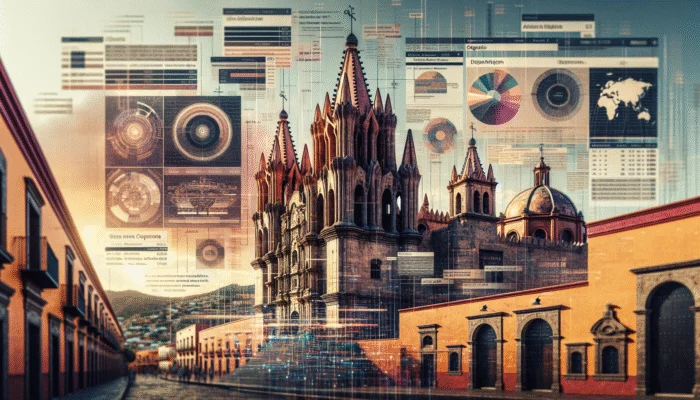
The cathedrals of San Miguel de Allende are steeped in a rich and captivating history that stretches back to the 17th century, a transformative period in both the religious and cultural landscape of the area. These magnificent cathedrals arose as pivotal religious sites, meeting the spiritual needs of the local community while mirroring the socio-political dynamics of their era. Their origins are closely linked to the colonial history of Mexico, where Spanish architectural styles and religious customs were deeply woven into local traditions. Significant historical events that shape their narratives include:
- 1542: The founding of San Miguel el Grande, which prompted the creation of a central church.
- 1683: The commencement of construction on the Parroquia de San Miguel Arcángel, a prime example of exquisite Baroque architecture.
- 1826: The designation of San Miguel de Allende as a city, significantly elevating the role of its cathedrals.
- 1900s: Extensive restoration projects aimed at preserving the architectural integrity of these structures amidst an increasing tide of tourism.
These historical milestones demonstrate that the cathedrals are more than just places of worship; they are vital components of the community’s identity and cultural heritage, encapsulating the vibrant spirit and storied past of the region.
Investigate the Architectural Diversity and Distinctive Features of San Miguel de Allende’s Cathedrals
The architectural styles found in the cathedrals of San Miguel de Allende present a fascinating fusion of influences that have evolved over centuries. One of the most iconic structures, the Parroquia de San Miguel Arcángel, is renowned for its striking amalgamation of Gothic, Neoclassical, and Baroque styles. The prominent use of pink quarry stone not only enhances its visual appeal but also establishes it as a distinctive emblem of the city. Key features of this architectural marvel include:
– Elaborately carved facades showcasing the exceptional craftsmanship and artistic talent of the period.
– Imposing bell towers that dominate the skyline, a testament to the skill of local artisans.
– Colourful domes that mirror the vibrant traditions of the local culture.
Each cathedral also possesses unique elements, such as intricately designed altarpieces and religious iconography that narrate biblical stories, enriching the visual experience for visitors while enhancing their spiritual journeys.
Grasping the Cultural Relevance of San Miguel de Allende’s Cathedrals
The cultural relevance of the cathedrals in San Miguel de Allende extends far beyond their architectural grandeur. They serve as community focal points where religious and cultural life intertwine. These cathedrals are instrumental in various local traditions, celebrations, and significant life events, such as:
– Fiestas that celebrate patron saints, attracting locals and international visitors alike.
– Weddings and baptisms held within these sacred spaces, reinforcing community ties and traditions.
– Art exhibitions and concerts that leverage the unique acoustics and ambience of the cathedrals to engage a wider audience and showcase local culture.
Thus, the cathedrals embody a living history, actively contributing to the cultural narrative of the community and celebrating its rich heritage through diverse communal activities.
Expert Perspectives on the Cathedrals of San Miguel de Allende
What Sets These Cathedrals Apart from Others Around the Globe?
The uniqueness of the San Miguel de Allende cathedrals lies in their multifaceted character, blending architectural brilliance with deep cultural significance. Unlike many cathedrals worldwide, these structures exemplify a distinctive local flavour, firmly rooted in the use of traditional materials and construction methods that genuinely reflect the essence of the region. For instance, the Parroquia de San Miguel Arcángel is particularly renowned for its stunning pink stone façade, differentiating it within the realm of ecclesiastical architecture globally.
To fully appreciate these unique characteristics, visitors are encouraged to:
– Participate in guided tours offering invaluable insights into the historical context and architectural intricacies.
– Engage in local events hosted at the cathedrals to experience their ongoing relevance in contemporary society.
– Explore surrounding artworks and sculptures that enhance the architectural beauty of the cathedrals.
Participating in these activities ensures a comprehensive understanding of what makes these cathedrals an integral part of San Miguel de Allende’s cultural legacy.
What Challenges Are Present in Preservation Efforts and What Initiatives Are Being Implemented?
The preservation of the historical integrity of the San Miguel de Allende cathedrals is an ongoing endeavour facing numerous challenges. Local authorities and heritage organisations are actively involved in restoration initiatives aimed at not only maintaining these architectural masterpieces but also addressing modern pressures. The success of these preservation efforts is demonstrated through the meticulous restoration of damaged areas and the enforcement of protective regulations.
However, challenges remain, such as the increasing tourism pressure, which can cause wear and tear on these historical structures. In addition, funding limitations often impede extensive restoration projects. Experts advocate for a balanced strategy that respects the cathedrals’ historical context while adapting to contemporary needs. Involving the local community in preservation efforts is vital to ensuring that these cathedrals remain significant and well-maintained for future generations.
How Are the Cathedrals Adapting to the Needs of Modern Society?

The San Miguel de Allende cathedrals have transitioned from traditional places of worship into dynamic multifunctional venues that cater to diverse community needs. Their influence now extends beyond spiritual practices; they have become essential spaces for cultural exchange, education, and tourism.
In the contemporary context, these cathedrals host a broad array of events, from art exhibitions to community gatherings, reflecting the evolving social landscape. Local artists frequently collaborate with cathedral management to showcase their works, fostering community connections while promoting local talent. This evolution illustrates the adaptability of the cathedrals and their ability to resonate with both local inhabitants and visitors alike.
Investigating the Architectural Influences and Styles in Depth
A detailed exploration of the architectural influences that characterise the San Miguel de Allende cathedrals reveals a complex interplay of cultural and historical elements. The Baroque features evident in the Parroquia de San Miguel Arcángel are particularly striking, marked by ornate details and dramatic contrasts that were prominent during the colonial period.
Moreover, the Neoclassical elements found in various structural components reflect the broader European influences that permeated Latin America during the 18th and 19th centuries. Experts assert that the harmonious fusion of these styles not only enhances the aesthetic appeal of the cathedrals but also tells a historical story, illustrating the evolution of architectural trends in response to local conditions and cultural shifts.
Gaining insights into this architectural diversity offers valuable perspectives on how these cathedrals have evolved over time, ensuring they remain significant while preserving their historical essence.
Fostering Community Engagement Through Events and Activities
Community engagement is essential for the continued relevance of the San Miguel de Allende cathedrals in modern society. These structures function not only as places of worship but also as pivotal components of community life, frequently hosting a variety of events that strengthen social bonds.
For example, the cathedrals serve as venues for cultural festivities, art exhibitions, and educational programmes aimed at promoting local customs and traditions. Such events encourage participation from both residents and visitors, cultivating an inclusive atmosphere that celebrates cultural diversity. Additionally, workshops and seminars covering topics from art to history are often held within these sacred spaces, further solidifying their role as centres of learning.
The impact of community engagement initiatives is profound; they not only enrich local culture but also foster a sense of belonging among residents, reinforcing the cathedrals’ status as essential pillars of the community.
What Essential Maintenance Practices Are Required for the Cathedrals in San Miguel de Allende?
Examining Maintenance Techniques and Materials Employed
Maintaining the San Miguel de Allende cathedrals necessitates careful attention to detail, employing specialised techniques to ensure their historical integrity is preserved. Standard maintenance practices include regular inspections to identify areas requiring repair, careful restoration of decorative elements, and the application of protective treatments to prevent deterioration over time.
Key maintenance techniques encompass:
- Restoration of plaster and frescoes using traditional methods that respect original craftsmanship.
- Routine cleaning of stone facades to eliminate pollutants that can cause damage.
- Application of weather-resistant coatings on vulnerable surfaces to extend their lifespan.
- Conducting structural assessments to avert potential harm from environmental factors.
These practices are essential to ensuring that the cathedrals not only maintain their visual appeal but also withstand various environmental challenges over time.
Insights into the Financial Aspects of Cathedral Maintenance
The upkeep of the San Miguel de Allende cathedrals involves numerous financial considerations that are critical to the overall preservation efforts. The associated costs can be significant, typically encompassing routine maintenance alongside extensive restoration projects.
Funding sources for these initiatives often include government grants, private donations, and community fundraising efforts. On average, annual maintenance costs can vary considerably depending on the scope of work required, but typical expenses may include:
– Routine cleaning: Approximately $10,000 each year allocated for professional cleaning services.
– Restoration projects: Major restorations can surpass $100,000, depending on the extent of damage.
– Staffing: Employing conservation specialists may require an additional $50,000 annually.
Understanding these financial components is crucial for stakeholders involved in cathedral maintenance, highlighting the importance of sustained investment in preserving cultural heritage.
What Role Does the Community Play in Cathedral Maintenance?
Local communities are pivotal to the maintenance and preservation of the San Miguel de Allende cathedrals. Community-driven initiatives not only aid in the upkeep of these sacred spaces but also foster a sense of ownership among residents. Volunteer groups regularly organise activities to clean and restore various sections of the cathedrals, contributing hands-on efforts to the preservation mission.
For instance, local schools may involve students in educational programmes that include field trips to the cathedrals, where they learn about their history and participate in clean-up activities. Such initiatives strengthen the connection between the community and its cultural heritage, ensuring that the cathedrals remain significant and cherished landmarks.
Furthermore, fundraising initiatives led by community members frequently target specific restoration projects, ensuring a consistent flow of resources dedicated to the maintenance of these important cultural sites.
Understanding Government Regulations and Oversight for Preservation
Government regulations are vital for the preservation of the San Miguel de Allende cathedrals, establishing a framework that ensures their integrity while facilitating necessary restoration efforts. Local and national laws often mandate the protection of historical sites, ensuring that any alterations comply with preservation standards.
These regulations can encompass:
– Heritage designations that recognise the cathedrals as significant cultural landmarks.
– Building codes that regulate restoration practices to ensure historical accuracy.
– Funding allocations dedicated to preservation efforts through governmental heritage programmes.
Such oversight not only safeguards the cathedrals from inappropriate modifications but also enhances their appeal as tourist attractions, reinforcing their importance within local communities and the broader cultural landscape.
What Effects Does Tourism Have on Cathedral Maintenance?
Tourism significantly influences the maintenance strategies for the San Miguel de Allende cathedrals, presenting both opportunities and challenges. On one hand, the influx of visitors generates essential funding through entrance fees, donations, and local spending, which can be directed towards maintenance efforts.
Conversely, the increased foot traffic can lead to accelerated wear and tear, necessitating more frequent maintenance and repair work. For instance, a high volume of visitors may result in:
– Increased cleaning and restoration costs due to environmental pollutants and general wear.
– Enhanced security measures to protect against vandalism and theft.
– Community programmes aimed at educating visitors about responsible tourism practices.
Balancing tourism with the preservation of these cathedrals is essential; effective strategies are necessary to mitigate negative impacts while leveraging the benefits that tourism brings to the community.
Artistic Elements Enriching the Cathedrals of San Miguel de Allende
Discover the Stained Glass and Mosaic Art Within the Cathedrals
The inclusion of stained glass and mosaic artworks within the San Miguel de Allende cathedrals highlights a captivating facet of their artistic significance. These elements not only enhance the visual appeal of the spaces but also serve meaningful spiritual and cultural purposes. The intricate designs in stained glass windows frequently depict biblical narratives, bathing the interiors in vibrant colours that shift with the light, creating a dynamic and contemplative ambiance.
Noteworthy examples include windows that honour local saints and commemorate significant historical events for the community. Conversely, mosaics often adorn altars and chapels, showcasing local craftsmanship and artistic heritage. The artistry in these works reflects a fusion of indigenous and colonial influences, creating a unique representation of the region’s cultural identity.
The artistic importance of these installations cannot be overstated; they invite reflection and foster deeper connections for visitors with the spiritual narratives they encapsulate.
How Does Religious Art Enrich the Spiritual Experience?
Religious art within the San Miguel de Allende cathedrals serves as a powerful medium for expressing spirituality and reinforcing community identity. This art significantly enriches the worship experience, providing visual narratives that enhance liturgical practices and deepen congregants’ connections to their faith.
Key features of religious art include:
– Iconography that educates congregants about saints and biblical stories.
– Cultural storytelling that reflects local history and fortifies community ties.
– Aesthetic appeal that transforms the worship environment into a space of beauty and reflection.
Additionally, the presence of religious art shapes visitor experiences, prompting introspection and dialogue regarding faith and culture. These artworks amplify the cathedrals’ spiritual significance while serving as a bridge between the past and the present.
Examining the Role of Sculptures and Statues Within the Cathedrals
The presence of sculptures and statues within the San Miguel de Allende cathedrals adds layers of historical and artistic value to these sacred places. Each figure, whether representing a revered saint or a notable historical figure, conveys a story, often reflecting the religious and cultural ethos of the community.
Statues are typically crafted from locally sourced materials, showcasing artisans’ skills as they blend traditional techniques with contemporary expressions. These works serve multiple functions:
– Visual focal points that capture attention and invite contemplation.
– Cultural markers that signify important local figures and historical moments.
– Educational tools that provide insights into the region’s spiritual heritage.
The rich tapestry of sculptures and statues within these cathedrals not only elevates their visual charm but also reinforces their status as vital cultural landmarks, preserving the narratives and values of the community.
Research-Backed Benefits of the Cathedrals of San Miguel de Allende
How Do Cathedrals Promote Mental Well-being?
The San Miguel de Allende cathedrals offer numerous mental health benefits, stemming from the calming and reflective environments they create. Research indicates that spending time in sacred spaces can enhance feelings of peace and well-being, helping to reduce stress levels and improve mental clarity. The tranquil atmosphere and stunning surroundings foster a sense of tranquillity that can be therapeutic for both locals and visitors.
Real-world examples of these benefits include:
– Meditation services held within the cathedrals that promote mindfulness and stress relief.
– Art therapy programmes that utilise the inspiring environment of the cathedrals to facilitate healing through creativity.
– Community support groups that meet in these spaces, harnessing their calming presence for discussion and fellowship.
Engaging with the spiritual and artistic facets of the cathedrals significantly enhances mental health, providing a sanctuary amidst the fast-paced nature of contemporary life.
What Educational Opportunities Are Offered by the Cathedrals?
Visiting and learning about the San Miguel de Allende cathedrals provides substantial educational advantages, making them invaluable resources for both locals and tourists. These cathedrals serve as dynamic classrooms, where history, art, and culture converge. Key educational aspects include:
- Gaining insights into the historical context of colonial Mexico.
- Exploring architectural styles and their evolution over time.
- Learning about local customs and traditions through guided tours.
- Participating in community workshops and lectures that deepen engagement with cultural heritage.
The educational experiences provided by these cathedrals cultivate a greater appreciation for cultural heritage and encourage critical thinking regarding the intersection of religion and society.
What Economic Impact Does Cathedral Tourism Have?
The economic implications of cathedral tourism on the San Miguel de Allende community are substantial, contributing to local economies through various channels. The influx of visitors eager to explore these historical sites stimulates spending across multiple sectors, including hospitality, retail, and services.
Expert analyses suggest that cathedral tourism generates significant revenue, supporting jobs and local businesses within the area. For instance, each visitor may spend an average of $100 per day on accommodations, dining, and souvenirs, resulting in millions of dollars annually for the local economy. Furthermore, the preservation efforts funded by tourism revenue ensure the ongoing maintenance of these architectural treasures, reinforcing the symbiotic relationship between tourism and heritage conservation.
What Are the Best Practices for Visiting the San Miguel de Allende Cathedrals?
Effective Strategies for Planning Your Visit
Thoroughly planning a visit to the San Miguel de Allende cathedrals can significantly enhance the overall experience. Best practices for visitors include:
- Researching cathedral opening hours and service schedules to plan your visit effectively.
- Booking guided tours in advance for deeper insights into the history and architectural details.
- Checking for any special events or festivals that may coincide with your visit.
- Dressing appropriately for the cathedral environment, reflecting respect for its sacredness.
By following these guidelines, visitors can maximise their enjoyment and appreciation of these remarkable cultural landmarks.
What Etiquette Should Visitors Observe Before Entering?
Visitors should be mindful of specific etiquette and guidelines that enhance the communal experience prior to entering the San Miguel de Allende cathedrals. Important considerations include:
– Dress code: Modest attire is recommended to show respect for this sacred space.
– Silence: Maintaining a respectful quietude is crucial, especially during services.
– Photography policies: Many cathedrals have restrictions on photography, so it is wise to inquire beforehand.
– Behaviour: Visitors should be aware of their conduct, remembering that these are places of worship.
Understanding these expectations fosters a respectful atmosphere that honours the spiritual significance of the cathedrals.
What Options Are Available for Guided Tours and Educational Programs?
Guided tours and educational programmes at the San Miguel de Allende cathedrals greatly enhance the visitor experience by providing structured insights into their history, architecture, and cultural significance. Various reputable tour operators offer comprehensive packages that include:
– Expert-led discussions on architectural styles and historical contexts.
– Interactive workshops exploring the artistry and techniques employed in the cathedrals.
– Specialised tours focusing on religious art and its impact on local culture.
These programmes are designed not only to educate but also to cultivate a deeper connection between visitors and the cultural heritage embodied by the cathedrals, ensuring a more meaningful visit.
Envisioning the Future of the Cathedrals in San Miguel de Allende
How to Balance Modernisation with Preservation?
The future of the San Miguel de Allende cathedrals lies at the intersection of modernisation and preservation, an ongoing dialogue as stakeholders navigate the challenge of maintaining historical integrity while accommodating contemporary needs. Advocates for modernisation propose integrating new technologies and amenities to enrich visitor experiences, while preservationists emphasise the importance of upholding the cathedrals’ historical essence.
Expert analyses indicate that achieving equilibrium is imperative. Potential developments may include:
– Enhanced visitor facilities that seamlessly blend with architectural aesthetics.
– Digital engagement tools that educate visitors without compromising historical significance.
– Collaboration with conservationists to ensure that modernisation efforts honour the cathedrals’ heritage.
The path forward will require careful deliberation and collaboration among stakeholders to ensure these cherished landmarks continue to thrive for generations to come.
What Role Will Technology Play in the Future?
Technology is poised to play a pivotal role in shaping the future of the San Miguel de Allende cathedrals, offering innovative solutions for preservation and visitor engagement. Current technological integrations encompass:
– Augmented reality applications that provide immersive historical experiences.
– Digital restoration techniques that facilitate precise conservation efforts while minimising physical intervention.
– Online donation platforms that simplify funding for maintenance and restoration initiatives.
By embracing technology, the cathedrals can enhance their appeal to younger audiences while ensuring their longevity and relevance in an increasingly digital landscape.
How Can Community Involvement Shape Future Initiatives?
Looking ahead, community involvement will be essential in shaping future projects associated with the San Miguel de Allende cathedrals. Gathering community feedback is crucial to ensuring that any developments align with local values and aspirations. Collaborative initiatives may include:
– Public forums to discuss proposed projects and gather community input.
– Volunteer programmes that enable local residents to engage in restoration efforts.
– Educational outreach to raise awareness about the importance of preserving cultural heritage.
Engaging the community in planning and execution fosters a sense of ownership and pride, ensuring that the cathedrals remain cherished symbols of San Miguel de Allende’s rich cultural legacy.
Frequently Asked Questions About the Cathedrals in San Miguel de Allende
Which Cathedral Holds the Most Renown in San Miguel de Allende?
The most recognised cathedral in San Miguel de Allende is the Parroquia de San Miguel Arcángel, famed for its stunning pink façade and Gothic architectural features.
Are the Cathedrals Open for Public Visits?
Yes, the cathedrals are generally accessible to the public, with specific visiting hours. Certain areas may be restricted during religious services.
When Is the Best Time to Visit the San Miguel de Allende Cathedrals?
The optimal time to visit is during the dry season, typically from November to April, when the weather is ideal for exploration.
Can Visitors Attend Services at the Cathedrals?
Yes, visitors are welcome to attend services at the cathedrals. It is advisable to check the schedule and arrive early for seating.
Are Guided Tours Available?
Yes, guided tours are available, providing enlightening historical context and details about the architecture and art within the cathedrals.
Is Photography Allowed Inside the Cathedrals?
Photography policies vary; some areas may allow it, while others may impose restrictions during services. Always check signage or consult staff for guidance.
What Cultural Events Are Held at the Cathedrals?
Cultural events such as fiestas, art exhibitions, and community gatherings are frequently organised at the cathedrals, showcasing local traditions and customs.
How Can I Support the Maintenance of the Cathedrals?
Contributions can be made through donations, participation in community restoration activities, or support for local fundraising initiatives aimed at preserving these historic sites.
What Is the Historical Importance of the Cathedrals?
The cathedrals embody significant cultural and religious heritage, reflecting Mexico’s colonial history and the identity of the local community.
Are the Cathedrals Accessible for Individuals with Disabilities?
Accessibility varies; some areas may accommodate individuals with disabilities, while others may present challenges. It is best to inquire in advance for specific details.
The Article: Cathedrals of San Miguel de Allende: Your Ultimate Guide appeared first on https://fallinginlovewithsanmiguel.com/
The Article Cathedrals in San Miguel de Allende: The Complete Guide Was Found On https://limitsofstrategy.com